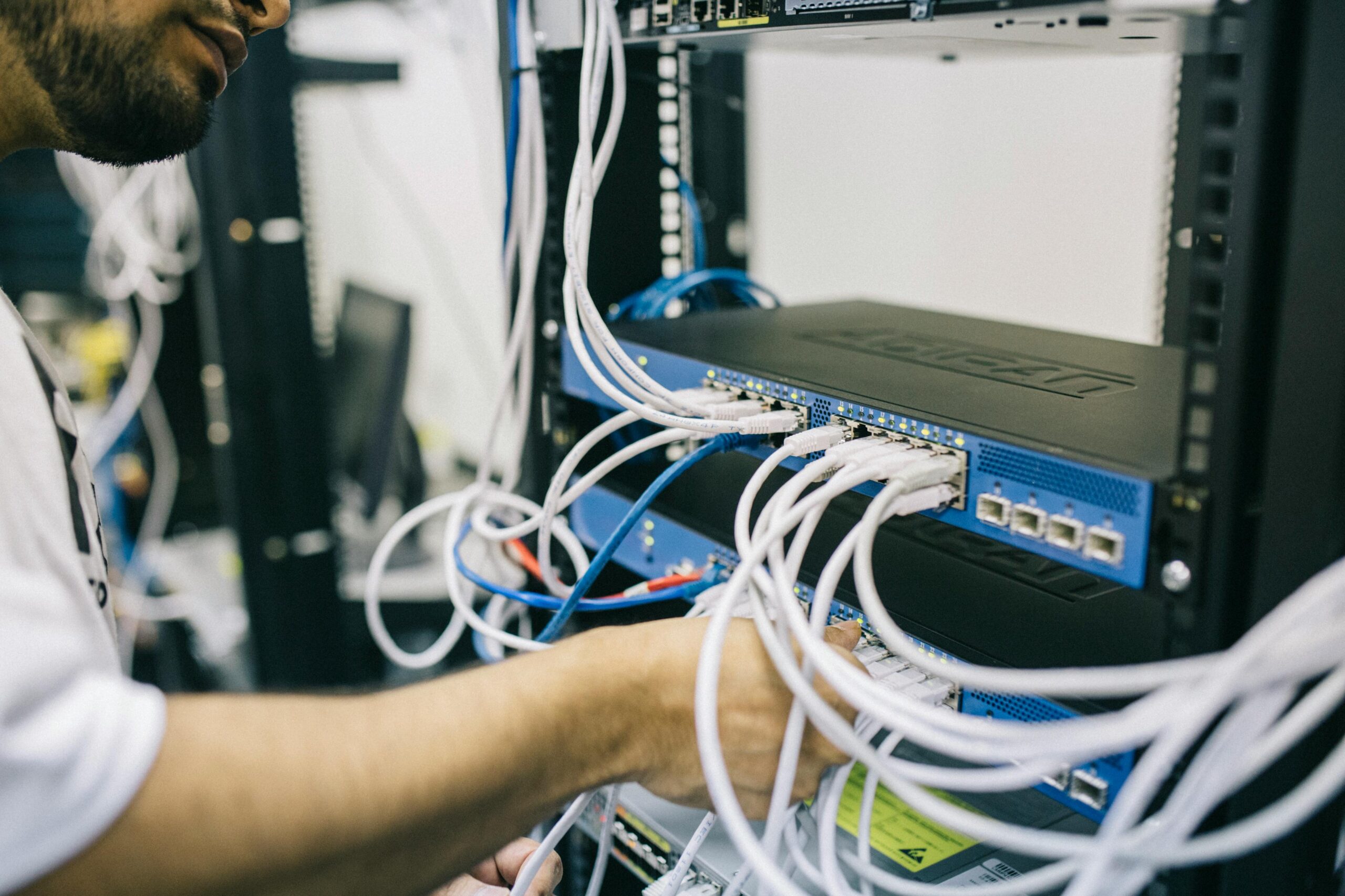
When you hear the term IT — short for Information Technology — you might think of office computer support, tech help desks, or the people who set up your work email. While that’s not wrong, it’s only a fraction of the picture. In 2025, IT is not just a background function keeping systems running; it’s the backbone of nearly every modern business, industry, and even daily life.
From cloud computing and cybersecurity to artificial intelligence and remote collaboration tools, IT has evolved into a strategic driver of innovation. Whether you’re a business owner, a student, or simply someone who uses a smartphone, understanding IT has never been more important.
The Basics: What Is Information Technology?
At its core, IT refers to the use of computers, networks, storage systems, and software to manage and process information. The field covers everything from developing new software applications to maintaining data centers, securing digital infrastructure, and ensuring that devices and systems work together seamlessly.
In simpler terms: IT is about making technology work for people — to store, transmit, analyze, and protect information.
How IT Has Changed by 2025
A decade ago, IT was often seen as a support department that “kept the lights on” for technology in an organization. In 2025, it’s an innovation engine. Several trends have transformed the role of IT in recent years:
Cloud-First Everything
In 2025, cloud computing is the norm. Businesses no longer ask whether they should move to the cloud; they ask how to optimize it. This shift allows organizations to scale services quickly, reduce hardware costs, and access cutting-edge tools without building everything in-house.
AI and Automation in Everyday Use
Artificial intelligence is now built into everything from email spam filters to enterprise analytics systems. Automation tools handle repetitive processes, freeing up human workers for more strategic and creative tasks.
Hybrid Work as Standard
IT departments have had to adapt to workforces that may be in the office, at home, or halfway across the world. Secure remote access, collaboration platforms, and virtual meeting solutions have become permanent fixtures.
Heightened Cybersecurity Demands
Cyber threats are more sophisticated than ever. IT teams must protect against ransomware, phishing attacks, and data breaches while complying with strict privacy regulations. In 2025, cybersecurity is no longer optional — it’s a business-critical priority.
Why IT Matters to Everyone in 2025
It’s the Infrastructure of Modern Life
From ordering groceries online to streaming entertainment, nearly every service depends on IT infrastructure. A single IT failure can disrupt supply chains, halt payments, or take entire platforms offline.
It’s Essential for Business Competitiveness
Companies that invest in IT gain a competitive advantage through data analytics, customer insights, automation, and faster decision-making. Those that neglect IT risk falling behind in a world where speed and efficiency matter more than ever.
It Powers Innovation
Breakthroughs in healthcare, renewable energy, education, and transportation all rely on IT systems. Whether it’s using AI to develop new drugs or IoT sensors to monitor climate conditions, IT is at the core of innovation.
It Shapes Job Markets
IT skills are in high demand across industries — not just in tech companies. Finance, manufacturing, healthcare, and even agriculture need professionals who understand IT systems and can use them effectively.
The Core Areas of IT in 2025
Understanding IT in 2025 means looking at its main components:
Networking and Connectivity
This covers the systems that connect devices and people, from local office networks to global internet infrastructure. With 5G and emerging 6G technologies, connectivity is faster, more reliable, and supports more devices than ever before.
Data Management and Analytics
Data is often called the “new oil.” IT teams manage how data is stored, organized, and analyzed. The insights from big data analytics help businesses make smarter decisions, predict trends, and optimize operations.
Cybersecurity
Protecting data and systems from threats is one of IT’s most urgent responsibilities. This includes securing networks, managing access, detecting intrusions, and recovering from incidents.
Cloud Computing
From hosting websites to running enterprise resource planning (ERP) systems, the cloud is where much of modern computing happens. IT teams oversee cloud adoption, cost control, and integration with existing systems.
Software Development and Integration
IT involves building and maintaining the software applications that run businesses. Integration is key — ensuring that various tools and platforms work together seamlessly.
Technical Support and User Training
While IT is increasingly strategic, the basics still matter. End-users need support to keep systems running smoothly and securely, whether it’s resetting a password or learning to use a new tool.
How IT Impacts Your Daily Life
Even if you’re not in the tech industry, IT affects you every day:
- Banking and Payments: Secure transactions depend on IT systems.
- Healthcare: Electronic medical records, telehealth, and diagnostic tools rely on IT infrastructure.
- Transportation: Navigation apps, ridesharing platforms, and even traffic lights are powered by IT.
- Shopping: E-commerce platforms and inventory systems ensure you get products when you want them.
In short, IT touches nearly every modern convenience you rely on.
The Skills You Need to Thrive in an IT-Driven World
Whether you work in IT or not, certain skills can help you succeed in 2025:
- Digital Literacy: Understanding how to use and troubleshoot basic technology.
- Cybersecurity Awareness: Knowing how to protect your accounts and data from threats.
- Data Interpretation: Being able to read and understand analytics reports to inform decisions.
- Collaboration Tools Mastery: Comfort with platforms like Microsoft Teams, Slack, or Zoom.
- Adaptability: Willingness to learn and adapt to new systems and technologies.
The Future of IT Beyond 2025
Looking ahead, IT will continue to evolve in ways that reshape business and personal life:
- Quantum Computing: Potentially revolutionizing problem-solving in fields like cryptography and drug discovery.
- Edge Computing: Processing data closer to its source for faster performance and lower latency.
- AI-Driven Personalization: Customizing services and experiences for individuals in real time.
- Sustainable IT Practices: Reducing energy consumption in data centers and manufacturing.
These trends will only increase IT’s importance, making it a critical field for the foreseeable future.
Conclusion: Why You Should Care Now
In 2025, IT is not a background function — it’s a central force driving how we live, work, and connect. Understanding its role helps you make better career choices, stay secure online, and adapt to a rapidly changing digital world.
You don’t need to be an IT professional to care about IT. You just need to recognize that every industry, every job, and every personal interaction is touched by technology. By understanding the basics and keeping up with trends, you can navigate the digital landscape with confidence — and even help shape its future.