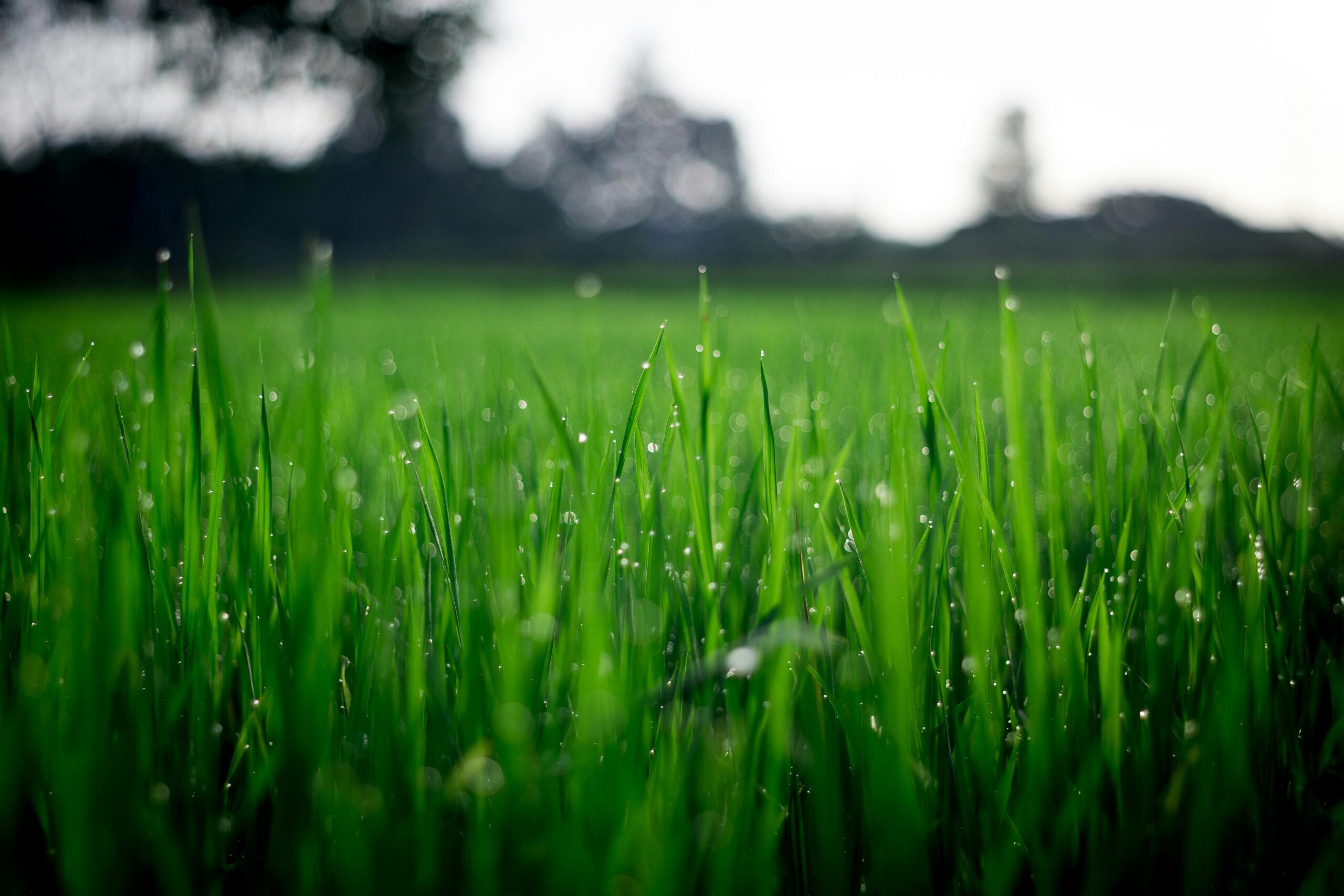
If you’ve ever spent time in a quiet garden, you may have noticed a curious feeling — as though the plants around you are somehow alive with silent conversation. Science now tells us this might not be entirely in your imagination. Trees and plants may not “talk” the way humans do, but they have intricate systems of communication, exchanging information through chemistry, touch, and even sound vibrations.
Your garden, it turns out, is far from silent. It is speaking a complex language — one that you can learn to recognize if you know what to look for.
How Trees and Plants Communicate
For centuries, people believed plants were passive life forms, reacting only to sunlight, water, and soil nutrients. But in recent decades, research has revealed that plants are surprisingly sophisticated in how they share information with one another.
Chemical Messaging
When a plant is under attack by pests, it can release airborne chemical compounds called volatile organic compounds (VOCs). These act like distress signals. Nearby plants detect these chemicals and respond by boosting their own defenses, such as producing bitter-tasting compounds to deter insects.
For example, if an aphid begins feeding on a rose bush, the bush might release a chemical scent warning other nearby roses. Those roses, in turn, start producing substances that make them less appealing to the insects — a form of collective defense.
Root Networks and the “Wood Wide Web”
Beneath the soil, an even more fascinating system operates. Many trees and plants form partnerships with mycorrhizal fungi — microscopic fungi that connect root systems in vast underground networks. Through these fungal “highways,” plants can exchange nutrients, share water, and even send warning signals about diseases or drought.
Scientists sometimes call this the “Wood Wide Web” because it functions much like the internet — transferring information quickly across long distances.
Sound and Vibration
Some studies suggest plants might respond to sound vibrations, such as the buzzing of pollinators or the rustling caused by an approaching herbivore. While this area of research is still emerging, there is evidence that plants can detect and react to mechanical vibrations in ways that help them survive.
Reading the Signs in Your Garden
Your plants are constantly signaling their needs and conditions. You just have to know the signs.
Leaves as Messengers
Yellowing leaves might indicate nutrient deficiencies, such as a lack of nitrogen. Wilting could signal water stress — either too much or too little. Brown, crispy edges often mean the plant is losing more water through evaporation than it can replace.
If several plants in the same area show similar symptoms at once, it could be their collective response to a shared stress, like poor soil drainage or a pest infestation.
Flowering Patterns
Plants often adjust their flowering in response to environmental cues. A plant that blooms earlier than usual might be reacting to unseasonably warm weather. If certain flowers in your garden are producing fewer blooms, they could be allocating resources toward defense or root growth instead.
Growth Direction and Posture
Plants naturally grow toward light (a process called phototropism), but sudden changes in growth direction can reveal competition or a shift in light availability. If your garden’s plants are leaning more than usual, it might be a sign that neighboring plants are overshadowing them — a silent negotiation for space and sunlight.
Trees as Silent Neighbors
Trees, being larger and longer-lived, have especially rich ways of communicating and influencing their surroundings.
Shared Resources
Through their root-fungi networks, older, established “mother trees” can provide nutrients to younger saplings, even if those saplings are from different species. This nurturing helps the whole forest — or even your backyard grove — remain healthy.
Defensive Coordination
If one tree in your yard becomes infested with a pest like caterpillars, it might start producing defensive chemicals in its leaves. The VOCs it releases can travel through the air to nearby trees, prompting them to preemptively bolster their own defenses.
Seasonal Signals
Trees are highly attuned to seasonal changes, and the timing of leaf budding or shedding can influence the whole ecosystem of your garden. Their shifts often cue smaller plants and animals to adjust their own life cycles.
How You Can “Listen” Better to Your Garden
Learning the language of your garden starts with observation:
- Spend time regularly in the same spots. Over days and weeks, you’ll notice subtle changes you might miss otherwise.
- Look for patterns, not just individual symptoms. A single wilting plant might be an isolated issue; multiple wilting plants could signal a systemic problem.
- Pay attention to insect activity. Pollinator visits, pest clusters, or sudden insect absences are all clues about plant health and ecosystem balance.
- Note changes after weather events. Heavy rains, droughts, or cold snaps often trigger visible plant responses.
By observing carefully, you’ll start to notice that plants respond in coordinated, almost conversational ways to their environment.
Why This Matters for Gardeners
Understanding your plants’ “language” isn’t just a curiosity — it can help you become a better gardener.
- Early Warning: By spotting stress signals early, you can act before damage becomes irreversible.
- Better Pest Management: Recognizing signs of pest defense means you can address infestations more strategically.
- Optimized Plant Care: You can adjust watering, feeding, and pruning based on plants’ real-time needs rather than guesswork.
- A Deeper Connection: Appreciating your garden as a living community fosters a sense of stewardship and respect for nature.
The Future of Plant Communication Research
Researchers are exploring technologies that could “translate” plant signals into data humans can interpret. Sensors placed in soil or attached to stems might one day send alerts to your phone when your garden is thirsty, stressed, or thriving.
Some scientists envision “smart gardens” where plant health is monitored continuously, and automated systems adjust watering, nutrient delivery, or shade in response to real-time feedback from the plants themselves.
While these advances are exciting, there’s something irreplaceable about learning to read the language of your garden with your own eyes and intuition. Technology may enhance your understanding, but the connection you build through patient observation remains uniquely human.
Conclusion: A Conversation Worth Having
Your garden is not silent. It’s a living network of signals, responses, and adaptations — a community constantly negotiating resources, fending off threats, and supporting one another. The rustle of leaves, the lean of stems toward light, the sudden flush of color in a flower — all of these are part of a conversation that has been going on for millions of years.
The more you learn to listen, the more your garden will tell you. It will warn you when trouble is coming, show you when it’s thriving, and invite you to participate in its quiet, intricate world.
So the next time you step outside, pause. Watch the way the sunlight filters through leaves, notice the subtle bends and color changes, feel the air around your plants. You may just find that your garden has been speaking to you all along — you just needed to learn its language.