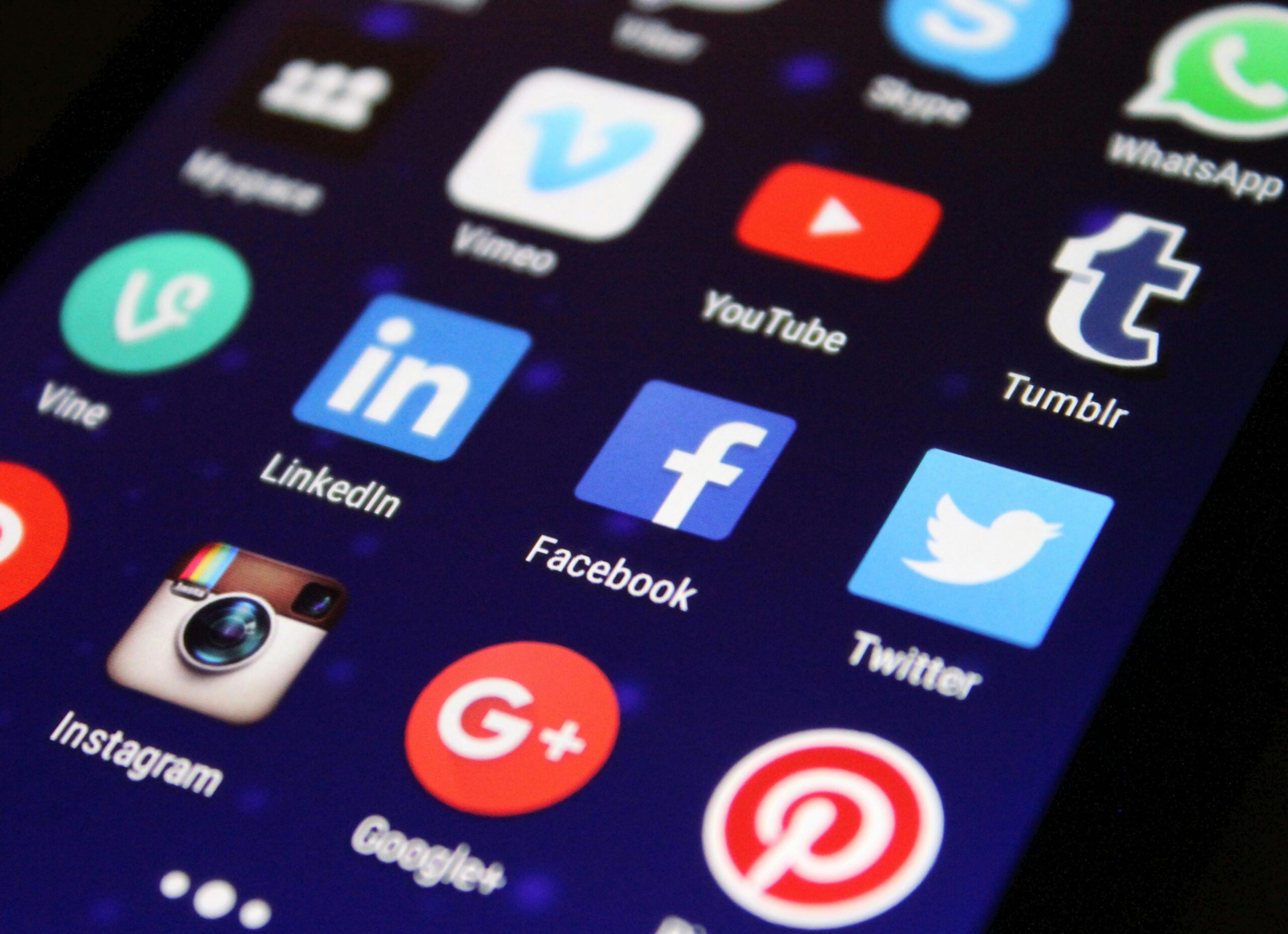
We live in an age unlike any before it. Our devices rest in our pockets or on our desks, connecting us to people in every corner of the globe within seconds. We can share photographs of a family dinner while it is still happening, broadcast our thoughts to hundreds or even thousands of people in an instant, and watch the lives of strangers unfold in real time. In this era, the boundaries between physical and digital interactions have blurred, making it possible to feel present in multiple places at once.
Yet, for all this connectivity, many of us experience moments of deep loneliness. It is not uncommon to have hundreds of contacts, followers, or “friends” online, yet feel disconnected from the people around us. The paradox of our time is that we have never been so linked technologically, yet so often we are starved for genuine human connection. This raises an important question: in a world where socializing can happen entirely on a screen, what does it really mean to be social?
Connection and Communication Are Not the Same
It is easy to mistake constant communication for meaningful connection. We are constantly commenting, liking, and sending short replies. Conversations happen in threads, emojis replace sentences, and news is shared through fleeting images and brief captions. But a steady flow of information is not the same as a true exchange between people.
Not long ago, social interaction was grounded in shared experiences that unfolded in real life. Friends gathered at a familiar café, neighbors lent each other tools or a helping hand, and long conversations unfolded without interruption from glowing screens. A sense of presence was woven into every interaction. People were not just talking — they were connecting.
Today, the pace of life and the design of social platforms often push us toward faster, shallower forms of interaction. A reaction emoji may take the place of words. A “like” may stand in for a thoughtful response. And while these micro-interactions can have value, they often lack the depth that leaves us feeling understood. Still, this shift does not mean meaningful connection is lost forever; it means we must work harder to cultivate it.
The Double-Edged Nature of Social Media
Social media is one of the most powerful inventions of our time. It allows us to stay in touch with loved ones across continents, to find communities built around shared passions, to learn about causes and events in real time, and to express ourselves creatively with unprecedented reach. For small businesses, it can be a lifeline. For marginalized voices, it can be a megaphone. For many of us, it is where much of our social life now unfolds.
But this same technology has its costs. The structure of most platforms rewards visibility, often pressuring users to curate and present only the most polished versions of their lives. The result is an endless cycle of comparison, as people measure themselves against the seemingly perfect images and stories of others. Deep conversations can be replaced by quick interactions designed for speed rather than substance. There is also the risk of emotional exhaustion from constant exposure to a flood of information, both uplifting and distressing.
Social media itself is neither inherently good nor bad. Like any tool, its value depends on how we choose to use it. It can either enrich our connections or erode them, depending on whether we use it with intention and awareness.
Building Authentic Connection in a Digital Age
If being social is about more than just visibility, how can we bring authenticity back into our interactions — online and offline? The answer lies in making conscious choices that prioritize depth over breadth.
One way is to reach out without a specific reason. A short message to someone you have not spoken to in months, simply to say they were on your mind, can carry more meaning than any public comment on a post. Another approach is to favor voice or video over text when it matters. Hearing someone’s tone or seeing their facial expressions can transform a conversation into something warmer and more human.
Celebrating the successes of others without expecting acknowledgment in return is another powerful way to nurture connection. This might mean sending a congratulatory note for a friend’s achievement or genuinely praising someone’s work without anticipating that they will “like” or comment on yours.
Equally important is the practice of presence. When we are with people in real life, whether family, friends, or colleagues, it is worth setting aside devices to give our attention fully. The quality of an interaction is shaped not by the number of words exchanged, but by the depth of attention given.
Lastly, curating our digital environments is a form of self-care. Muting or unfollowing accounts that consistently drain your energy can create space for more uplifting and meaningful content. It is not about avoiding differing viewpoints but about removing noise that distracts from genuine engagement.
Reimagining What It Means to Be Social
Perhaps being social in the modern world requires redefining the term itself. In the past, it was almost exclusively associated with physical presence and shared spaces. Today, it can happen across time zones and through screens, but the principles remain the same: attentiveness, empathy, and sincerity.
True social connection is not measured in likes, comments, or shares. It is measured in the moments when someone feels seen, heard, and understood. It can be as simple as a heartfelt conversation that unfolds over hours, a message sent at exactly the right moment, or a shared silence that speaks more than words ever could.
The future of being social may not be about being everywhere at once, keeping up with every platform, or responding to every notification. It may instead be about being fully present in the spaces we choose to occupy, and about showing up for the people who matter, both online and off.
Choosing Authenticity Over Popularity
We live in a culture that often rewards visibility over authenticity. Metrics — followers, views, likes — have become shorthand for influence, but they do not tell the full story of connection. Chasing numbers can pull our focus away from the deeper purpose of social interaction: to build relationships that enrich our lives and the lives of others.
Choosing authenticity means engaging in ways that feel true to who we are, even if they are less visible. It means valuing the quality of our relationships over their quantity. It means allowing space for vulnerability and imperfection, rather than presenting only what might be approved or admired.
The most advanced technologies will continue to change how we communicate. Artificial intelligence may personalize content more than ever, virtual reality may bring people together in simulated spaces, and new platforms will emerge with their own ways of defining interaction. Yet beneath these changes, the human need for genuine connection will remain constant.
Conclusion
To be social in the modern world is to navigate a landscape that is both vast and intimate, fast-moving yet capable of holding moments of stillness and depth. The tools we have today allow us to maintain ties that distance once severed, to find communities we might never have discovered otherwise, and to speak to audiences larger than any that previous generations could imagine. But they also challenge us to resist the temptation of surface-level interaction and to remember that technology should serve human connection, not replace it.
At its heart, being social is not about popularity or constant visibility. It is about the small, human acts that build trust, understanding, and shared experience. Whether in a crowded café or through a message sent across oceans, the essence of being social is the same: to make another person feel that they matter.
The future of social interaction will be shaped by our choices today. If we choose authenticity over performance, presence over distraction, and connection over metrics, we can create a digital culture that strengthens rather than weakens the bonds between us. Because no matter how advanced our technology becomes, the deepest part of us will always seek the same things — to be seen, to be heard, and to be understood.