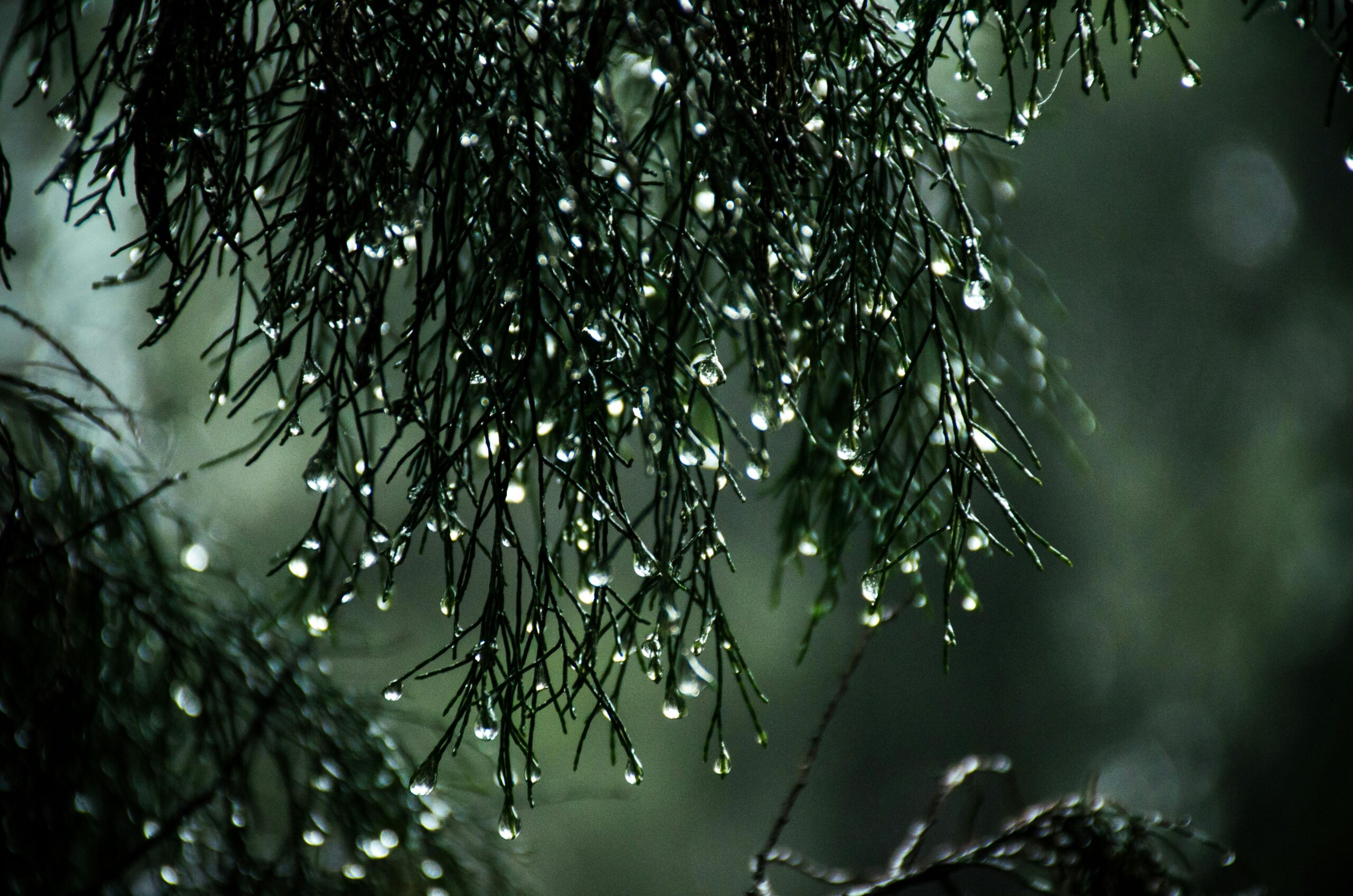
The sound of raindrops on a window. The smell of wet earth after a long dry spell. The sight of ripples spreading across puddles. Rain has a way of touching all our senses at once. It can be soothing, nostalgic, romantic — and sometimes inconvenient.
But beyond whether it ruins a picnic or waters your garden, rain carries meaning. It changes the way we see the world, both literally and emotionally.
The Many Faces of Rain
Not all rain is the same. It can be:
- A gentle drizzle that barely dampens your clothes.
- A steady shower that lulls you into calm.
- A sudden downpour that sends everyone running for cover.
- A dramatic thunderstorm that shakes the sky.
Each kind of rain has its own character, its own soundtrack, and its own effect on the world around it.
The Science That Makes Rain Possible
Rain begins high above us, in clouds filled with tiny droplets of water vapor. When those droplets join together and grow heavy enough, gravity pulls them down to Earth.
Factors like temperature, wind, and humidity shape the way rain forms and falls. Warm air can hold more moisture, which is why tropical regions often get heavier rainfall. Cooler climates might see rain turn into snow or sleet.
Understanding the science doesn’t take away the magic — if anything, it makes it more fascinating.
Rain and the Senses
Rain is one of the most multi-sensory experiences in nature. You can:
- Hear it tapping on rooftops, rushing through gutters, or softly hitting leaves.
- Smell petrichor, the earthy scent released when rain hits dry ground.
- Feel the cool drops on your skin or the dampness in the air.
- See the way it changes colors — making streets shine, greens look richer, and skies turn dramatic.
Even the taste of rain, caught on your tongue as a child, stays in memory.
Rain as a Mood Setter
Rain has a way of affecting emotions. A rainy day can feel cozy, especially if you’re inside with a blanket and a warm drink. It can also feel melancholic, inviting introspection and quiet moments.
Writers and filmmakers often use rain to set a scene — to heighten romance, drama, or reflection. Think of a character walking alone through city streets at night, rain reflecting neon lights. Or two people reuniting in the middle of a storm. Rain amplifies feeling.
Life That Depends on Rain
For plants, animals, and humans, rain is not just a mood — it’s survival. Crops rely on regular rainfall to grow. Forests and grasslands thrive when rains come on time. Rivers, lakes, and reservoirs are replenished by seasonal downpours.
In many parts of the world, people celebrate the arrival of rain after long dry seasons. It’s a reminder that water is life.
The Cultural Meaning of Rain
Rain is rich in symbolism across cultures:
- In literature, it often represents renewal, cleansing, or change.
- In music, rain can stand for longing, romance, or nostalgia.
- In spiritual traditions, rain is sometimes seen as a blessing or a gift from the divine.
From ancient rain dances to modern rain-themed songs, people have always tried to make sense of rain’s role in their lives.
The Simple Joy of Walking in the Rain
While many avoid getting wet, walking in the rain can be unexpectedly refreshing. The streets are quieter. Colors are deeper. The air feels cleaner.
Of course, you might need an umbrella — or you could embrace getting a little soaked. Sometimes, the best way to enjoy rain is to stop resisting it.
Rain Photography and Art
Rain transforms ordinary scenes into works of art. Reflections in puddles, drops clinging to petals, and misty landscapes offer endless inspiration to photographers and painters.
Even a busy city street can look cinematic in the rain, with lights reflecting off wet pavement and people moving under a sea of umbrellas.
Rain and Mindfulness
Rain naturally invites you to slow down. Plans change. People linger indoors. The world feels softer, quieter.
It’s the perfect opportunity for mindfulness:
- Listen closely to the rhythm of falling drops.
- Watch the patterns they make on windows or puddles.
- Breathe deeply and let the cool air clear your head.
Final Thought
Rain is one of life’s simplest, most universal experiences. It can nourish, cleanse, inspire, and even challenge us. It changes landscapes, shifts moods, and reminds us that nature has its own rhythm — one we can’t control, but can choose to appreciate.
So next time the sky opens, instead of seeing only inconvenience, try to notice the beauty in it. Listen to the music it makes. Watch the way it transforms the world. Let it remind you to slow down, if only for a little while.