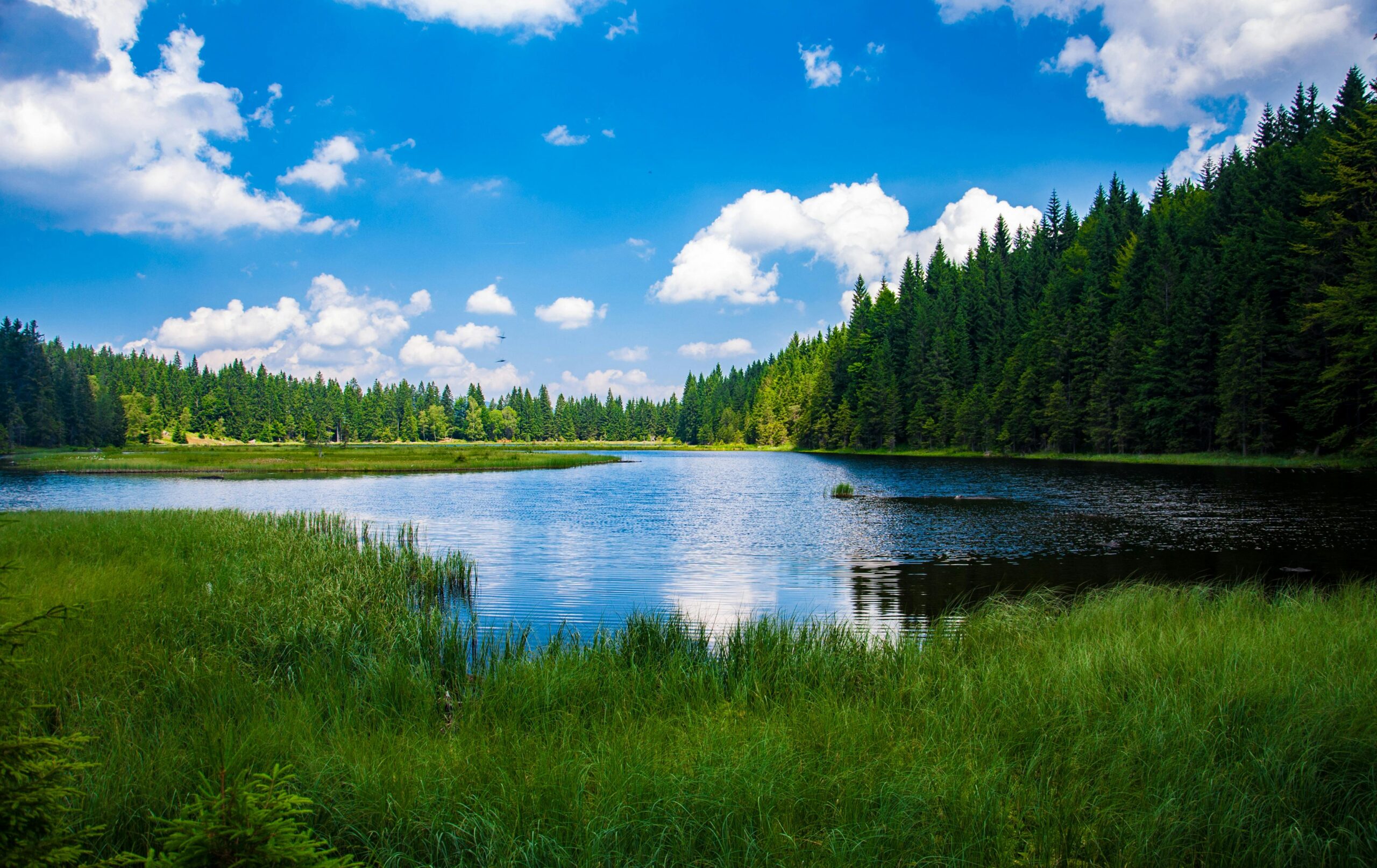
A lake can be as grand as the Great Lakes in North America, stretching beyond the horizon, or as small as a hidden mountain pond known only to locals. Whatever the size, lakes have a way of drawing us in — with their calm waters, reflective surfaces, and the life they support.
They are more than pretty postcards. Lakes are ecosystems, water sources, cultural landmarks, and peaceful retreats that have shaped both landscapes and human life for centuries.
How Lakes Form
Lakes can form in several ways:
- Glacial activity: As glaciers move and melt, they leave behind depressions that fill with water, like Canada’s many glacial lakes.
- Tectonic shifts: Movements of Earth’s crust create basins, such as Africa’s Lake Tanganyika.
- Volcanic activity: Craters left by eruptions fill with rainwater, like Crater Lake in Oregon.
- Human-made reservoirs: Created by damming rivers to store water or generate electricity.
Each type carries its own history and ecological character.
Life in and Around Lakes
A lake’s still waters hide a bustling world beneath the surface. Fish, amphibians, insects, and microscopic life all form part of the food web. Birds come to feed or nest along the shore. Mammals may visit to drink or forage.
The surrounding vegetation — reeds, grasses, trees — provides habitat and helps filter the water, keeping the ecosystem in balance.
Lakes as Water Sources
For countless communities, lakes are vital sources of fresh water for drinking, irrigation, and industry. Large lakes can influence local climate by moderating temperatures, while smaller ones can be lifelines for nearby villages in dry regions.
When managed well, lakes can sustain both human needs and environmental health. When neglected, they can suffer from pollution, overfishing, and invasive species.
Cultural and Spiritual Meaning
Lakes often hold deep cultural significance. They can be sites of festivals, legends, or spiritual practices.
- In Hinduism, certain lakes are considered sacred and are places of pilgrimage.
- In Nordic folklore, lakes are said to be home to mystical beings.
- Many Indigenous cultures view lakes as living entities deserving of respect and care.
These stories and traditions remind us that lakes are not just resources, but parts of our shared heritage.
The Science of Still Waters
Unlike rivers, lakes don’t flow constantly from one point to another. They may have inlets and outlets, but their waters often move slowly, influenced by wind, temperature, and inflow from rain or streams.
Seasonal changes can cause thermal stratification, where water layers separate by temperature — an important process for aquatic life and nutrient cycling.
The Many Faces of Lakes
- Alpine lakes: Clear, cold, and often surrounded by dramatic peaks.
- Tropical lakes: Warm, lush, and teeming with diverse life.
- Salt lakes: Like the Dead Sea, with unique chemistry and buoyancy.
- Frozen lakes: In Arctic regions, where ice covers the surface for months.
Each type offers a different experience for visitors and plays a distinct role in its environment.
Threats to Lakes
Lakes face challenges from pollution, climate change, and human activity. Runoff from farms and cities can introduce excess nutrients, leading to harmful algae blooms. Rising temperatures can alter water levels and disrupt ecosystems.
Protecting lakes means controlling pollution, conserving surrounding habitats, and using water wisely.
Lakes and Leisure
Lakes are magnets for recreation:
- Swimming and sunbathing in summer.
- Canoeing, kayaking, and paddleboarding.
- Fishing for sport or sustenance.
- Ice skating or ice fishing in winter climates.
Even a simple walk along the shore can be restorative. The calmness of a lake’s surface often mirrors the calm it brings to the mind.
Photography and Art
Lakes offer endless inspiration for artists and photographers. Still waters reflect skies and landscapes, creating symmetrical images that feel both peaceful and powerful. Early mornings and sunsets are especially magical times to capture their beauty.
Final Thought
Lakes are more than bodies of water — they are living systems, cultural touchstones, and places of renewal. They connect us to the land, to wildlife, and to each other in ways that are both practical and deeply human.
Next time you stand at the edge of a lake, notice the details: the ripple of wind on water, the call of a bird across the surface, the scent of damp earth and plants. In that moment, you’re not just looking at a lake — you’re sharing space with one of the Earth’s quiet but essential wonders.