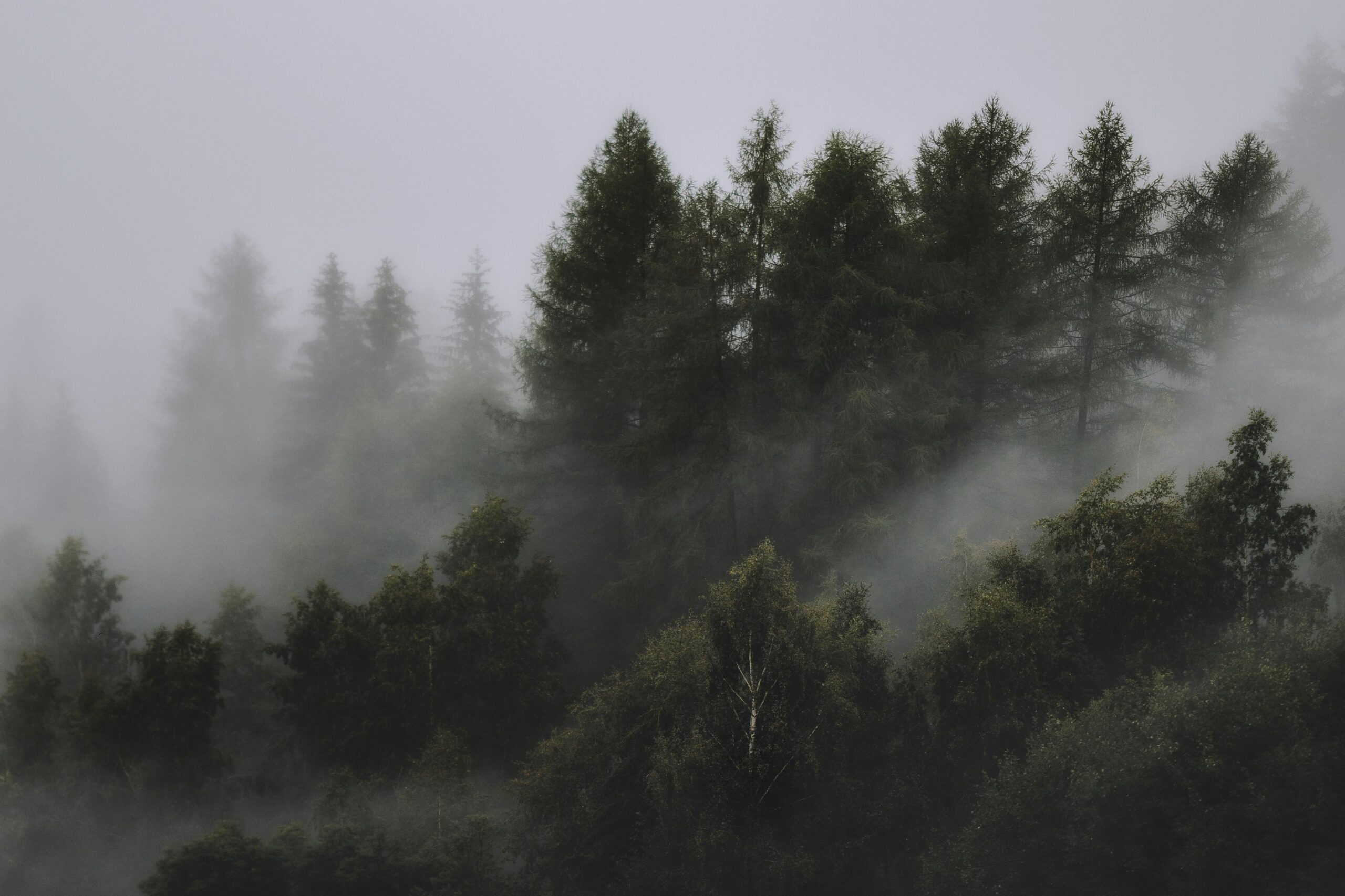
Forests cover about a third of Earth’s land area, yet their importance stretches far beyond their size. They are living systems that breathe for the planet, homes to countless species, and quiet sanctuaries for people seeking peace.
Whether it’s the towering redwoods of California, the dense rainforests of the Amazon, or the pine-covered slopes of northern Europe, forests have a way of pulling us in — with their beauty, mystery, and life-giving power.
A World Within a World
Stepping into a forest is like crossing into a separate world. The light changes, filtered through leaves. The air feels cooler and carries the scent of earth and greenery. Sounds shift from city noise to birdsong, rustling branches, and the hum of insects.
In these green spaces, life thrives in layers:
- The canopy: Tall trees reaching for sunlight.
- The understory: Shade-loving plants and animals moving quietly.
- The forest floor: Mosses, ferns, fungi, and the cycle of decomposition that feeds new growth.
Forests and the Breath of the Earth
Forests act as Earth’s lungs, absorbing carbon dioxide and producing oxygen through photosynthesis. The Amazon rainforest alone produces a significant portion of the oxygen we breathe.
They also store carbon, helping slow the effects of climate change. Without forests, the balance of our atmosphere would be very different — and far less hospitable for life.
Homes for Wildlife
More than 80% of terrestrial plants and animals live in forests. From tiny insects to great predators, each species plays a role in the ecosystem:
- Birds nest in branches and help spread seeds.
- Deer and other herbivores graze on plants, shaping growth patterns.
- Predators like big cats keep populations in check.
Every level of the food chain depends on the forest’s health.
The Many Types of Forests
Forests are as diverse as the climates they grow in:
- Tropical rainforests: Hot, wet, and bursting with biodiversity.
- Temperate forests: Four distinct seasons, with trees like oaks, maples, and beeches.
- Boreal forests (taiga): Cold climates dominated by conifers like pine and spruce.
Each type has unique plant life, animals, and ecological roles.
The Human Connection
For thousands of years, humans have relied on forests for food, shelter, medicine, and inspiration. Many cultures see forests as sacred, places where spirits dwell and wisdom can be found.
Even today, a walk in the woods can feel like a return to something essential. Science backs this up — spending time in forests has been shown to lower stress, improve mood, and boost immunity.
Forests in Culture and Story
From ancient myths to modern fantasy novels, forests often play a symbolic role. They can be places of danger, mystery, transformation, or refuge.
Think of the enchanted woods in fairy tales, or the deep, wild forests in epic adventures. They capture our imagination because they are both familiar and unknown.
Threats to Forests
Deforestation, illegal logging, and climate change are major threats to forests worldwide. Clearing land for agriculture and development destroys habitats, reduces biodiversity, and releases stored carbon into the atmosphere.
Protecting forests means more than saving trees — it means preserving entire ecosystems and the services they provide for life on Earth.
How to Protect and Support Forests
Even small actions can help:
- Support sustainable forestry and certified wood products.
- Reduce paper waste and recycle whenever possible.
- Donate to organizations working to protect forests.
- Visit forests responsibly, following local guidelines.
The choices we make as consumers ripple outward into the health of global ecosystems.
The Magic of a Forest Walk
One of the simplest ways to connect with forests is to visit one. Leave the phone in your pocket. Walk slowly. Notice the way light falls on leaves, the sound of water over rocks, the feeling of damp earth underfoot.
These moments of attention remind us why forests matter — not just in the abstract, but in the immediate, sensory experience of being there.
Final Thought
Forests are more than just collections of trees. They are intricate, interdependent systems that sustain life, store history, and inspire awe.
Protecting them isn’t only about the environment — it’s about preserving the balance that allows us, and everything else on Earth, to thrive.
So the next time you step beneath the shade of a forest canopy, take a deep breath. Feel the connection between your lungs and the leaves above. Remember that in this quiet green world, you’re standing inside one of the planet’s oldest and most essential miracles.