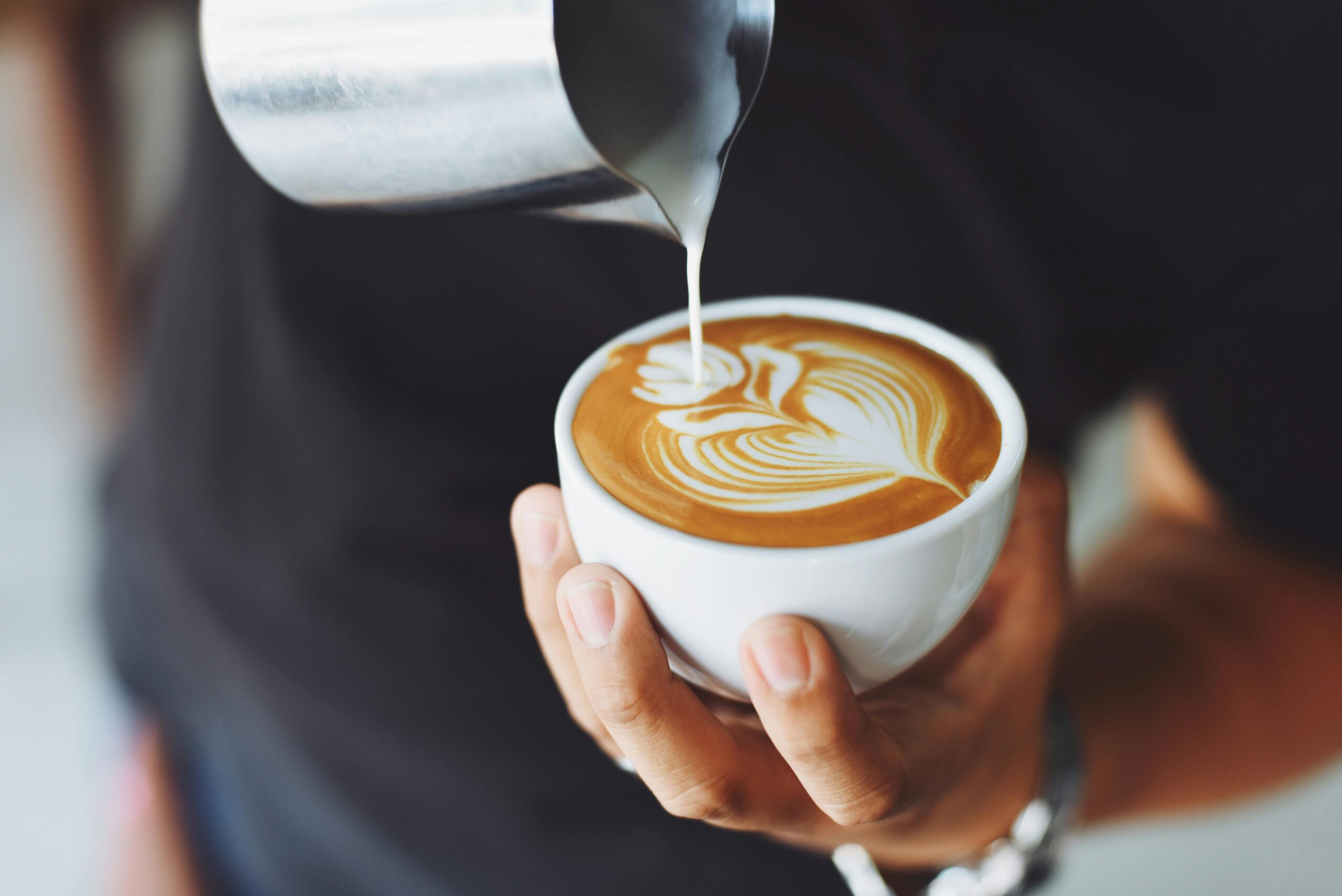
Coffee is one of the few things that connects people across countries, cultures, and lifestyles. It’s sipped in bustling city cafés, savored in quiet rural kitchens, and served in tiny cups along roadside stalls. Some take it black and strong, others dress it with cream and sugar until it tastes like dessert. But no matter how it’s prepared, coffee is rarely just about caffeine.
It’s a ritual. A pause. A way of marking time and space in our daily lives. In many ways, coffee is less about the drink in the cup and more about what happens around it — the conversations, the solitude, the comfort, the anticipation.
The Morning Ritual: More Than a Wake-Up Call
For millions, coffee is the first thing they reach for each morning. The routine is almost meditative: grinding beans, heating water, inhaling the aroma as it blooms. The first sip marks the official start of the day, as if the world isn’t fully awake until the coffee is ready.
This ritual isn’t just about getting an energy boost. It’s about creating a moment of consistency in a world that can feel unpredictable. The taste, the warmth, and even the sound of the kettle boiling can become a grounding force.
Coffee as a Social Connector
From the historic coffee houses of Vienna to the neighborhood café on the corner, coffee has always been a social magnet. It’s the drink of choice for first dates, job interviews, and casual catch-ups. Meeting “for coffee” is shorthand for meeting without pressure, allowing conversation to flow as easily as the drink itself.
In Ethiopia, where coffee originated, the coffee ceremony is a central cultural tradition. Green beans are roasted, ground, and brewed in front of guests, and the process can last hours. It’s not just about drinking coffee — it’s about building relationships and showing hospitality.
The Global Language of Coffee
Coffee takes on different identities around the world:
- Espresso in Italy — quick, concentrated, and served standing at the bar.
- Flat white in Australia and New Zealand — silky, balanced, and unhurried.
- Café de olla in Mexico — spiced with cinnamon and piloncillo, rich with history.
- Vietnamese cà phê sữa đá — strong coffee over ice with sweet condensed milk.
- Turkish coffee — thick, unfiltered, and often followed by fortune-telling in the grounds.
Every style reflects the culture it comes from. Drinking coffee isn’t just about taste; it’s about participating in a shared tradition.
The Solitary Cup
Not all coffee moments are social. Some of the most meaningful are solitary — the early-morning cup enjoyed before the household wakes, the late-afternoon mug during a break from work, or the evening espresso in a quiet corner of a café.
In these moments, coffee becomes a companion, not a performance. The act of brewing and sipping gives permission to slow down, think, or simply be.
The Science of the Comfort
Part of coffee’s magic comes from its chemistry. Caffeine blocks adenosine, a neurotransmitter that makes us feel tired, while also stimulating dopamine, the “feel-good” chemical. But beyond its physical effects, the association between coffee and comfort is powerful.
Psychologists talk about “ritualized consumption” — the way a familiar routine can reduce stress and increase feelings of control. Whether it’s a specific mug you always use or a favorite seat at the café, these small consistencies can be deeply reassuring.
Coffee as an Act of Creativity
Writers, artists, and thinkers have long sworn by coffee as creative fuel. In the 18th and 19th centuries, European cafés were hubs for intellectual exchange, where revolutions in politics, philosophy, and art often started over a pot of coffee.
Even today, many creative workers claim their best ideas arrive during a coffee break. It’s not just the caffeine — it’s the environment coffee creates: relaxed but alert, social but not overwhelming.
The Economics of a Cup
Coffee is also a global industry that supports millions of farmers, traders, roasters, and baristas. Each cup is the result of a long chain of human labor — from the people who hand-pick the cherries in Colombia to the roaster who coaxes flavor from the beans in a small workshop.
Choosing fair trade or ethically sourced coffee isn’t just about taste; it’s about acknowledging and valuing the people behind the product. In that way, coffee connects us not only to our own daily lives but also to communities half a world away.
The Changing Face of Coffee in 2025
In recent years, coffee culture has been shaped by new trends:
- Specialty coffee with single-origin beans and precise brewing methods.
- Cold brew and nitro coffee offering smoother, less acidic options.
- Plant-based milks becoming standard in cafés worldwide.
- Sustainability efforts to combat climate change’s impact on coffee-growing regions.
Technology has also played a role, with smart coffee machines that sync to your morning schedule and apps that track your favorite beans. But even with all these innovations, the core ritual remains the same: grind, brew, sip, connect.
Why Coffee Feels So Human
At its heart, coffee is about connection — to others, to tradition, and to ourselves. It’s a universal language that crosses borders without needing translation. The warmth in your hands, the aroma rising in the air, the shared smile with a friend across the table — these are human experiences that can’t be replicated by anything else.
Coffee reminds us that even in a fast-paced, high-tech world, simple pleasures still matter. It’s not the complexity of the drink but the simplicity of the act that makes it meaningful.
Final Sip
When you think about it, coffee’s role in our lives isn’t about caffeine at all. It’s about moments — the ones we share and the ones we keep for ourselves. It’s a pause in the noise, a reason to meet, a habit that shapes our mornings and often our moods.
So tomorrow morning, when you take that first sip, remember: you’re not just drinking coffee. You’re participating in a ritual as old as conversation, as universal as friendship, and as deeply human as the need to connect.
I think the creativity aspect of coffee is so spot on. Some of my best ideas have come when I’m sipping my morning cup, just letting my thoughts wander. There’s something about that quiet moment that sparks inspiration.