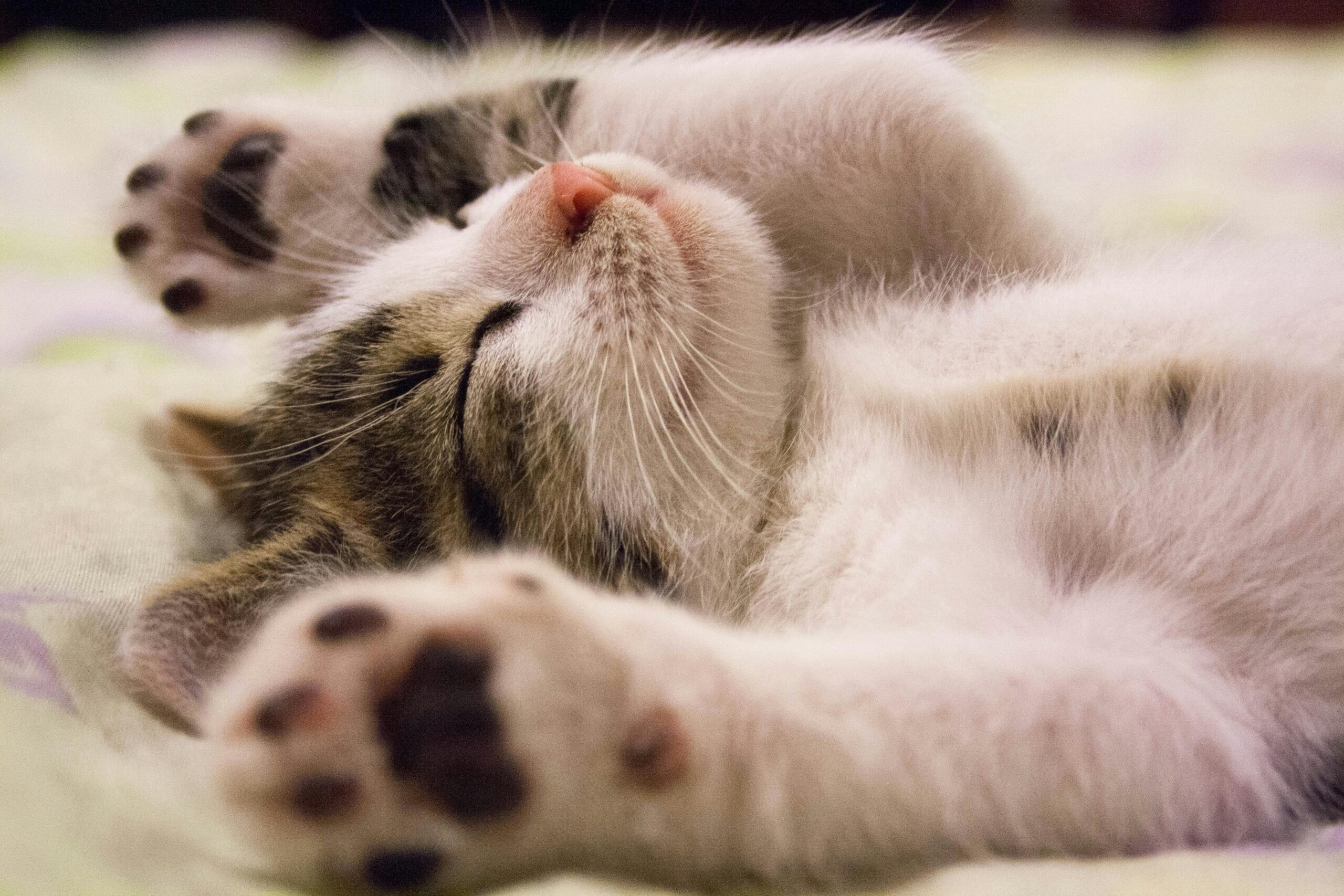
Cats have fascinated humans for thousands of years. They’ve been worshiped as gods, painted in ancient temples, and even starred in countless internet memes. But beyond the cute videos and the occasional aloof attitude lies a creature that is endlessly intriguing — a blend of independence, affection, and mystery.
In this post, we’ll explore what makes cats such captivating companions, from their history to their behavior, and even the unique way they bond with humans.
A Brief History of Our Feline Friends
Cats have been living alongside humans for at least 9,000 years.
Ancient Egyptians famously revered them, often depicting cats in art and linking them to the goddess Bastet — a symbol of home, fertility, and protection. Killing a cat in ancient Egypt, even accidentally, could result in severe punishment.
From Egypt, cats spread to other parts of the world, often carried aboard ships to control rodents. Over centuries, they became not just pest controllers but beloved members of households. Today, there are more than 370 million pet cats worldwide — and countless more living independently.
The Personality Puzzle
One reason people love cats is that no two are exactly alike. While dogs often wear their hearts on their sleeves, cats can be more enigmatic.
Some are social butterflies, greeting every visitor at the door. Others prefer quiet corners and one-on-one bonding. Even within the same litter, personalities can vary wildly.
Yet despite their differences, cats share certain traits:
- Curiosity — The classic “curiosity killed the cat” saying comes from their love of exploring and investigating everything.
- Independence — Cats are perfectly content to entertain themselves, but they also know when to seek human affection.
- Territorial Instincts — Many cats are protective of their space and may take time to warm up to newcomers.
Communication: More Than Meows
Contrary to popular belief, cats don’t “meow” much to each other. They reserve that sound mostly for humans, as if they’ve developed a special language just for us.
Cats communicate in several ways:
- Purring — Often a sign of contentment, but sometimes used for self-soothing when stressed.
- Tail Movements — A raised tail signals friendliness, while a twitching tip may mean excitement or irritation.
- Slow Blinks — A cat giving you a slow blink is showing trust and affection — like a feline smile.
- Ear Position — Forward ears mean interest, while flattened ears signal fear or aggression.
Why We Love Cats
There’s something deeply comforting about a cat curled up beside you, purring softly. They bring warmth, companionship, and even a sense of humor into our lives.
Cats can:
- Reduce stress and anxiety through physical affection.
- Encourage mindfulness, as their calm presence helps us slow down.
- Provide endless entertainment with their playful antics.
For many people, a cat’s companionship feels like a quiet, mutual understanding — a friendship built on respect rather than constant demands.
Caring for Your Cat
Being a good cat guardian means understanding their unique needs. Cats aren’t just “low-maintenance pets” — they require care, attention, and a safe environment.
Nutrition – Cats are obligate carnivores, meaning they need a diet high in animal protein. Balanced, vet-approved cat food ensures they get the right nutrients.
Enrichment – Playtime isn’t optional. Toys, climbing structures, and scratching posts help cats stay active and prevent boredom.
Health Care – Regular vet visits, vaccinations, and parasite control are essential.
Safe Spaces – Cats love having a place they can retreat to when they feel overwhelmed.
Myths About Cats
Cats have inspired myths and misconceptions for centuries. Let’s clear a few up:
Myth 1: Cats are cold and unaffectionate.
Reality: Many cats are incredibly loving — they just show affection differently than dogs.
Myth 2: Cats always land on their feet.
Reality: While cats have excellent balance and a “righting reflex,” they can still get injured from falls.
Myth 3: Cats are nocturnal.
Reality: Cats are actually crepuscular, meaning they are most active at dawn and dusk.
Cats and Human Connection
Studies show that cats recognize their owners’ voices, understand some human emotions, and can form deep emotional bonds. The bond often grows over time, as trust is earned through gentle interaction and respect for their boundaries.
Interestingly, cats tend to mirror their owner’s mood. If you’re calm and relaxed, they’re more likely to curl up nearby. If you’re stressed, they may either give you space or try to comfort you in their own quiet way.
The Joy of Living with a Cat
Living with a cat means living with surprises. One moment they’re lounging like royalty, the next they’re sprinting across the room for no apparent reason. They may bring you a toy (or an uninvited “gift” from outside), sit on your laptop while you work, or follow you from room to room like a shadow.
These quirks are part of the charm. They remind us that life doesn’t always have to be predictable.
Final Thoughts
Cats are a perfect blend of mystery and warmth. They don’t just occupy space in our homes — they become part of the family, each with their own personality, preferences, and quirks. Whether they’re watching birds from a sunny windowsill, chasing a feather toy, or curling up in your lap, they have a way of making everyday life richer.
If you’re lucky enough to share your life with a cat, you know the truth: you may think you own the cat, but in reality, they own you — and that’s exactly how it should be.