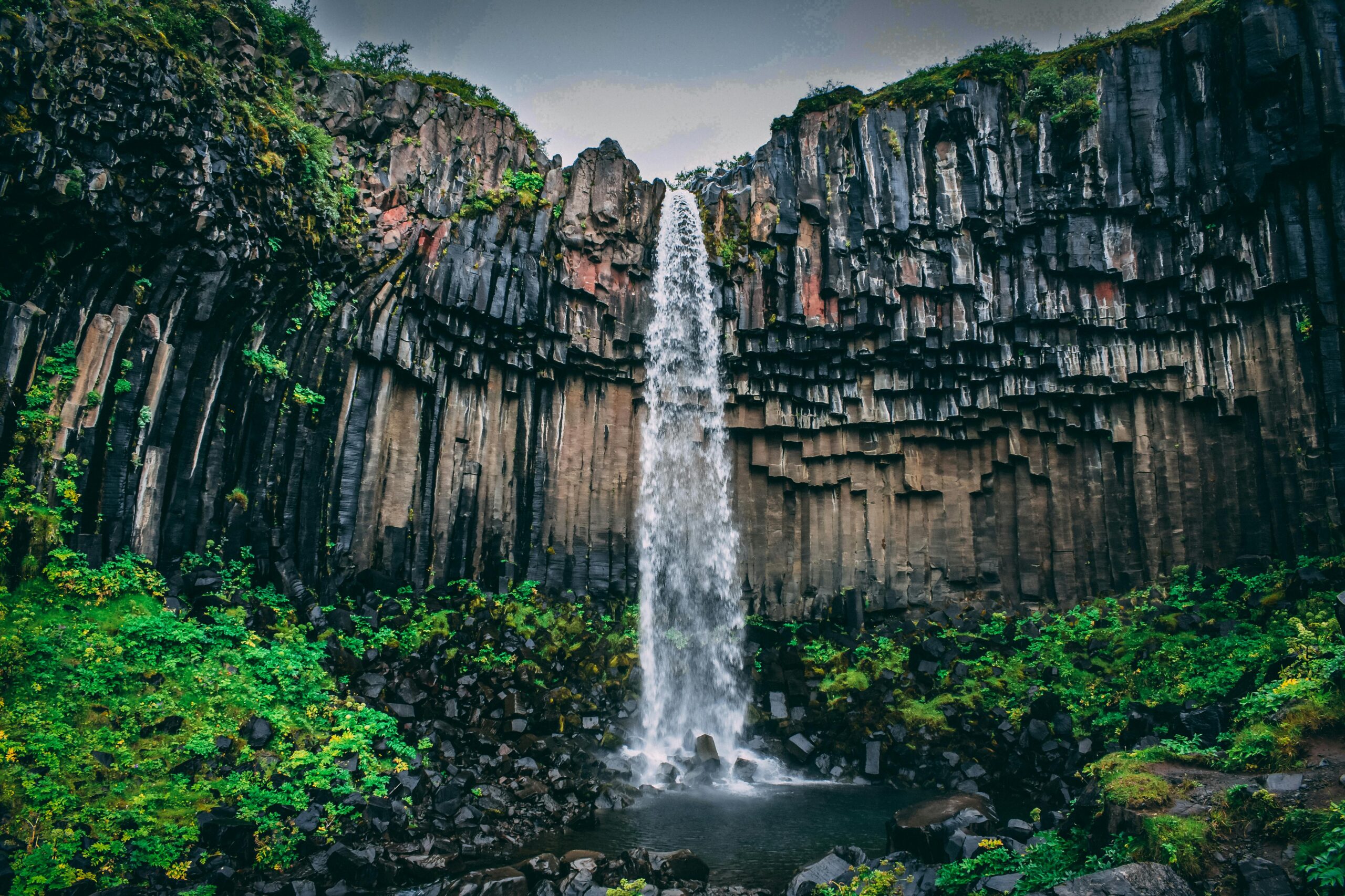
Few natural sights capture the imagination like a waterfall. Water, free-falling from a height, transforms a landscape into something dynamic, powerful, and mesmerizing. Whether it’s a small cascade in a forest stream or the roaring might of Niagara, waterfalls have an almost magnetic pull.
They are the perfect blend of movement and stillness — endlessly changing as the water flows, yet constant in their location and presence. Throughout history, waterfalls have inspired awe, shaped local environments, and drawn travelers from across the globe.
How Waterfalls Form
Waterfalls occur where rivers or streams flow over a sudden drop in elevation. This can happen for several reasons:
- Erosion: Softer rock wears away beneath harder rock, creating a ledge.
- Tectonic activity: Earth’s movements shift the land, creating cliffs and drops.
- Glacial carving: Retreating glaciers leave behind steep valleys where water falls.
- Volcanic activity: Lava flows and collapses can form natural steps or cliffs.
Some waterfalls are permanent, fed by steady rivers, while others appear only after heavy rains or snowmelt.
The Many Faces of Waterfalls
Waterfalls come in many shapes and styles:
- Plunge waterfalls: Drop vertically into open air, like Angel Falls in Venezuela.
- Horsetail waterfalls: Stay in contact with the rock as they descend, like Reichenbach Falls in Switzerland.
- Tiered waterfalls: Flow in a series of steps, like Yosemite Falls in the United States.
- Cataracts: Extremely powerful waterfalls, like Victoria Falls on the Zambezi River.
Each has its own personality, shaped by the water’s volume, the height of the drop, and the surrounding terrain.
The Science Behind the Beauty
A waterfall’s roar is more than just sound — it’s a physical force. Falling water carries energy, which erodes rock at the base, forming a plunge pool. Over time, this erosion can cause the waterfall to “move” upstream, changing its shape.
The mist created by falling water can also create rainbows on sunny days, a phenomenon that has enchanted observers for centuries.
Waterfalls in Culture and Story
Waterfalls hold special places in myths and legends. In some cultures, they are seen as gateways to other realms or as sacred sites where spirits dwell. In literature and film, waterfalls often symbolize transformation, discovery, or hidden treasures — from secret caves behind the curtain of water to epic adventure settings.
They have also been used as meeting places, ceremonial sites, and natural boundaries in human history.
Waterfalls as Ecosystems
The constant spray of a waterfall creates a unique microclimate. Mosses, ferns, and moisture-loving plants thrive in the damp air. The plunge pool and surrounding waters provide habitats for fish, insects, and amphibians.
Birds often nest nearby, taking advantage of the constant water supply and the noise that helps mask their presence from predators.
Famous Waterfalls Around the World
Some waterfalls are known worldwide for their size, beauty, or cultural importance:
- Niagara Falls (USA/Canada): Famous for its massive volume and tourist appeal.
- Iguazu Falls (Argentina/Brazil): A breathtaking network of hundreds of cascades.
- Angel Falls (Venezuela): The tallest uninterrupted waterfall in the world.
- Victoria Falls (Zambia/Zimbabwe): Known as “The Smoke That Thunders.”
- Plitvice Lakes (Croatia): A network of stunning turquoise cascades in a national park.
Each one offers a different experience — from raw power to serene beauty.
Visiting Waterfalls Responsibly
Waterfalls attract millions of visitors each year, and with that comes the responsibility to protect them:
- Stay on marked trails to prevent erosion.
- Avoid leaving litter, which can harm wildlife.
- Be cautious near edges — wet rocks are slippery and dangerous.
- Respect local customs if the site is considered sacred.
Responsible tourism helps ensure that these wonders remain pristine for future generations.
Why We’re Drawn to Waterfalls
Part of the allure is sensory. The sight of water in constant motion, the sound of its crash, the coolness in the air — all combine to create a feeling of renewal. Psychologists suggest that moving water can have a calming effect, lowering stress and improving mood.
Waterfalls also remind us of nature’s power and artistry. They are living examples of how time, gravity, and water shape the world in ways both subtle and spectacular.
Final Thought
A waterfall is more than just water falling from a height. It’s a story in motion — of rivers carving through rock, of landscapes evolving, of life adapting to a constant flow. It’s a reminder that beauty can come from persistence, and that movement can coexist with peace.
Whether you find yourself in front of a roaring giant or a gentle forest cascade, take a moment to pause. Watch the water fall, feel the mist on your skin, and listen to the timeless rhythm that has played for centuries — and will continue long after you’ve moved on.