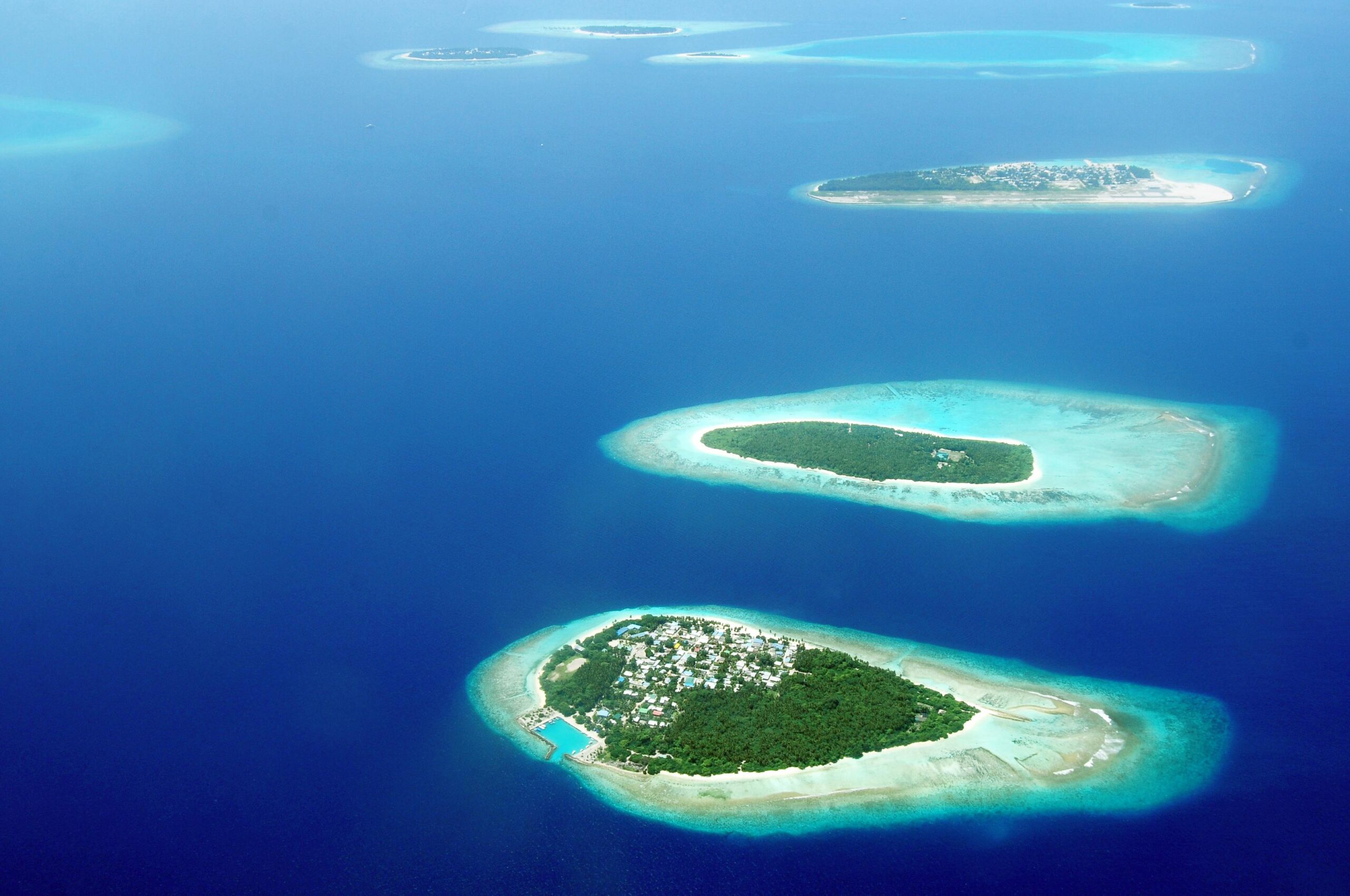
An island is a world set apart — a piece of land surrounded by water, holding its own ecosystems, cultures, and rhythms of life. Whether it’s a tiny tropical atoll in the Pacific, a rugged volcanic island in the North Atlantic, or a densely populated city-island like Singapore, each one carries a unique sense of identity.
To step onto an island is to cross into a space that feels both connected to and separate from the rest of the world. The sea defines its boundaries, shapes its climate, and often influences the way people live, work, and think.
The Many Faces of Islands
Not all islands are created the same. They vary dramatically in size, geography, and origin:
- Continental islands: Formed from parts of continents, like Great Britain or Madagascar.
- Volcanic islands: Born from underwater eruptions, such as Hawaii or Iceland.
- Coral islands and atolls: Built from coral reefs, like the Maldives or Bora Bora.
- Artificial islands: Human-made creations like Palm Jumeirah in Dubai.
Each type offers different landscapes, habitats, and opportunities for exploration.
Life on an Island
Island life can be both idyllic and challenging. The sea provides food, transportation, and a natural barrier from many outside influences. But it can also bring isolation, dependence on imported goods, and vulnerability to storms or rising sea levels.
For many island communities, fishing, small-scale farming, and tourism form the backbone of the economy. Local culture often blends influences from visiting traders, settlers, and neighboring lands — creating traditions found nowhere else.
The Natural Richness of Islands
Islands are home to unique plants and animals, many of which exist nowhere else on Earth. This is because isolation allows species to evolve independently over time.
- The Galápagos Islands gave Charles Darwin key insights into evolution.
- Madagascar hosts lemurs, baobab trees, and countless endemic species.
- New Zealand is famous for its flightless birds like the kiwi.
But this same uniqueness makes islands fragile. Invasive species, habitat loss, and climate change can threaten ecosystems that took millions of years to develop.
Islands in Culture and Story
Islands have fascinated humans for centuries, appearing in myths, legends, and literature. They can be:
- Places of adventure and discovery, like Treasure Island.
- Symbols of isolation and self-reliance, as in Robinson Crusoe.
- Settings for utopias or hidden civilizations in countless novels and films.
In storytelling, an island often represents a contained world — a stage where human nature plays out against the backdrop of nature’s power.
The Call of Island Travel
For travelers, islands offer experiences that blend relaxation with adventure. You might:
- Explore coral reefs while snorkeling or diving.
- Hike volcanic trails to steaming craters.
- Wander through villages where life moves at a slower pace.
- Lounge on beaches with sand so fine it feels like silk.
The journey to reach an island often adds to the feeling of escape. Whether you arrive by boat or plane, the moment you see the shoreline appear is one of anticipation and excitement.
The Challenges Islands Face
Islands today face environmental and economic challenges:
- Climate change is raising sea levels and increasing storm intensity.
- Overtourism can strain infrastructure and ecosystems.
- Limited resources mean that waste management and fresh water supplies require careful planning.
Many islands are leading the way in sustainability, using renewable energy, protecting marine areas, and promoting eco-friendly tourism to balance human needs with environmental protection.
The Connection Between Land and Sea
On an island, the sea is never far away. It shapes daily life — from the food people eat to the way they measure time. Tides, fishing seasons, and weather patterns become part of the natural rhythm.
For many islanders, there’s a deep respect for the ocean as both provider and protector, but also as a force that demands caution.
Why Islands Inspire Us
Islands stir something in the human imagination. They promise discovery, adventure, and a slower, more connected way of life. At the same time, they remind us of fragility — of how small pieces of land must work in harmony with their surroundings to survive.
In a world that feels increasingly fast and crowded, islands offer the allure of stepping away, even if only for a while, into a space where boundaries are clear and nature’s presence is constant.
Final Thought
Whether you’re drawn to the wild cliffs of a remote island or the sun-drenched sands of a tropical paradise, islands offer a unique perspective on life. They teach us about adaptation, community, and the balance between independence and connection.
The next time you set foot on an island, take in the view from its shores — the endless water stretching to the horizon. That sight has inspired sailors, settlers, and storytellers for centuries, and it still holds the power to remind us of the beauty and mystery of our planet.