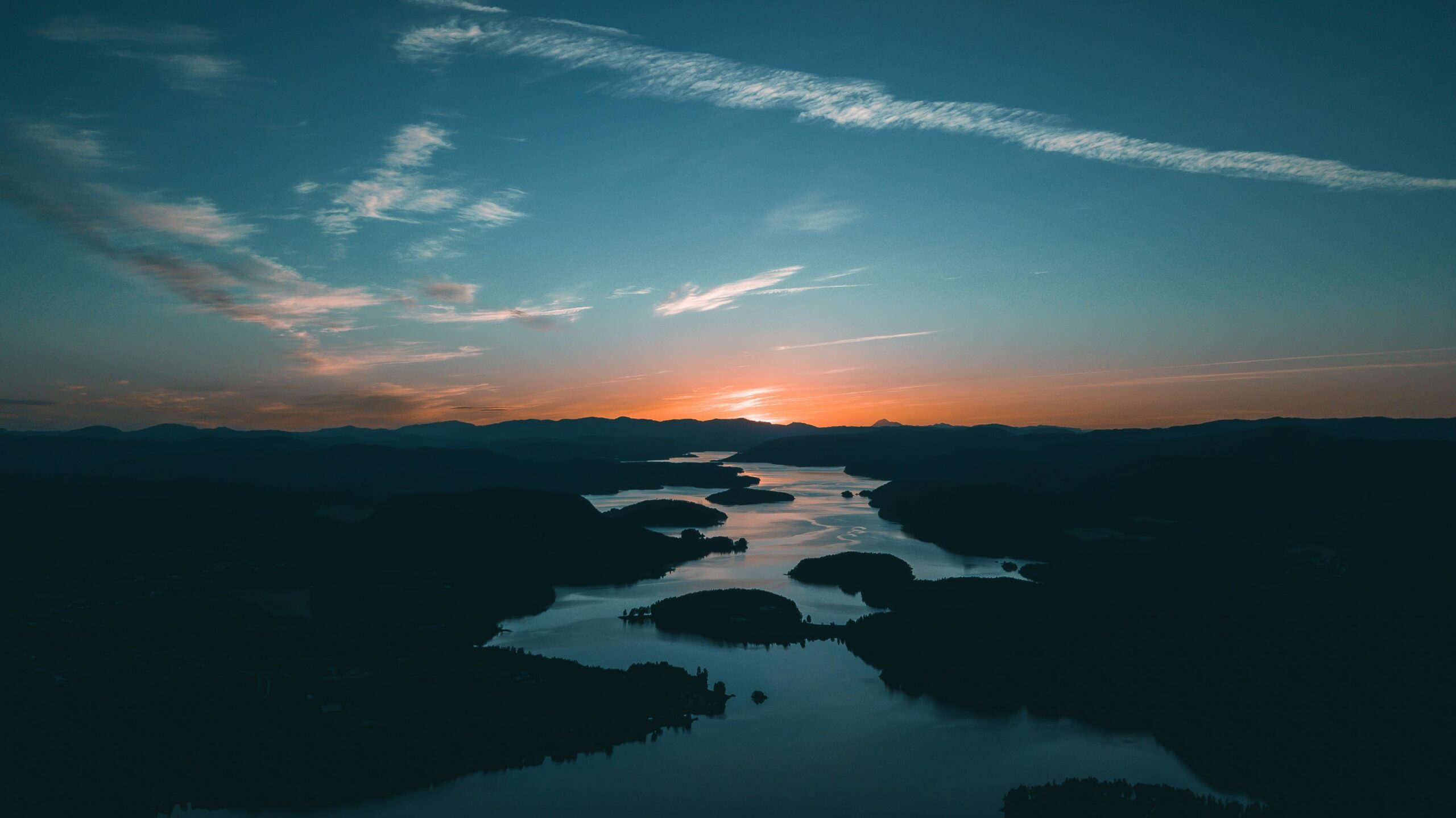
A river is more than water flowing from one place to another. It’s a lifeline — carving landscapes, sustaining wildlife, feeding communities, and inspiring human culture for as long as we’ve existed.
From mighty currents like the Amazon and the Nile to small streams hidden in quiet forests, rivers have always been central to life. They are pathways, boundaries, sources of nourishment, and, for many, sources of wonder.
How Rivers Begin
Every river starts somewhere. It might be a glacier melting high in the mountains, a spring bubbling from the ground, or rainwater gathering into streams. These small beginnings join together, gaining speed and volume until they form the channels we recognize as rivers.
Along the way, they shape the land — carving valleys, creating waterfalls, and carrying sediment that builds fertile plains downstream.
Rivers and Life
Rivers support ecosystems at every stage of their journey.
- Fish swim in their waters, providing food for birds, animals, and people.
- Plants thrive on their banks, creating habitats for insects and mammals.
- Migratory species depend on rivers for seasonal journeys.
Even the smallest river is part of a much larger network of life.
The Role of Rivers in Human History
Civilizations have risen and flourished along rivers. The Nile supported ancient Egypt. The Indus River nurtured one of the world’s earliest urban cultures. The Yangtze and Yellow Rivers shaped the history of China.
Rivers offered fresh water for drinking and farming, transportation for trade, and natural defenses against enemies. They were — and still are — vital economic and cultural arteries.
Rivers in Culture and Myth
Rivers often appear in myths, poems, and spiritual traditions. They can represent life, time, change, or even the boundary between worlds.
In Hindu tradition, the Ganges is sacred, symbolizing purity and the flow of life. In literature, rivers often stand for journeys — both physical and emotional — carrying characters from one phase of life to another.
The Science of Flow
Rivers follow a natural course from their source to their mouth, where they empty into seas, lakes, or other rivers. Along the way, they may pass through rapids, meanders, floodplains, and deltas.
The speed and character of a river depend on its slope, the type of rock and soil it flows through, and the amount of water it carries.
The Many Faces of Rivers
- Wild rivers: Untouched by dams, flowing freely through natural landscapes.
- Urban rivers: Running through cities, often shaped by human engineering.
- Seasonal rivers: Flowing only during rainy months in certain climates.
- Glacial rivers: Fed by melting ice, carrying mineral-rich sediment.
Each type plays a unique role in its ecosystem and local culture.
The Threats Rivers Face
Rivers are under pressure from pollution, overuse, dam construction, and climate change. Contaminated water harms wildlife and people alike. Dams disrupt natural flow, affecting fish migration and sediment distribution.
In some regions, rivers are drying up due to over-extraction of water for agriculture or industry. Protecting them means safeguarding not just the water, but the entire system that depends on it.
How We Can Protect Rivers
- Reduce pollution by limiting plastic waste and harmful chemicals.
- Support clean water initiatives in your community.
- Use water responsibly at home and in agriculture.
- Advocate for sustainable river management policies.
Small local actions can add up to global impact.
Experiencing Rivers
Rivers invite us to explore — by walking along their banks, paddling in canoes or kayaks, or simply sitting and watching the water move.
They remind us of nature’s rhythm: sometimes rushing, sometimes slow, always moving forward. Watching a river can be meditative, its steady flow mirroring the passage of time in our own lives.
Final Thought
Rivers are more than scenery. They are threads that weave together the fabric of ecosystems, communities, and cultures.
To follow a river from its source to its mouth is to witness a story — of life, of change, of connection. Protecting rivers isn’t just about saving water; it’s about preserving the flow that sustains the world.
So the next time you stand by a river, take a moment to notice its movement, its sound, and its endless journey. You’re looking at one of Earth’s oldest and most important travelers.