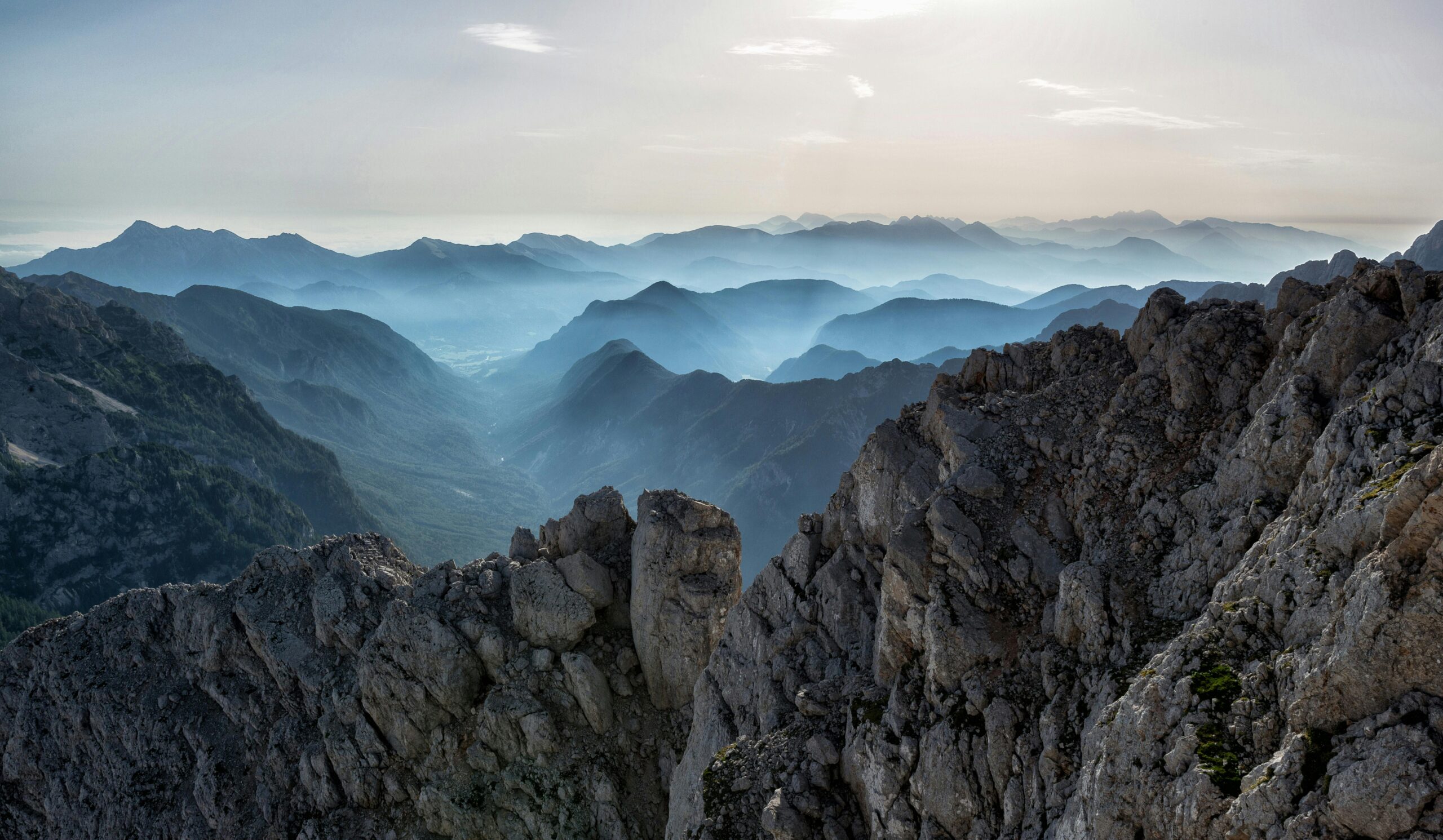
Mountains rise above the world like ancient guardians, their peaks touching the sky, their slopes telling stories carved over millions of years. They’ve inspired myths, challenged explorers, sheltered communities, and shaped the land in ways both dramatic and subtle.
To stand at the base of a mountain is to feel small — and strangely free. The scale is humbling, yet the beauty is undeniable. Whether snow-capped and rugged or green and rolling, mountains offer both adventure and peace in equal measure.
The Many Faces of Mountains
Mountains come in countless forms, shaped by their geology and climate:
- Snow-covered peaks like the Himalayas, majestic and extreme.
- Volcanic mountains like Mount Fuji, formed from the earth’s fiery heart.
- Gentle highlands like the Scottish Cairngorms, rich with wildlife.
- Rocky spires like the Dolomites, where cliffs rise sharply into the clouds.
Each type offers its own landscape, climate, and sense of wonder.
Why We’re Drawn to Mountains
Mountains appeal to both body and spirit. Physically, they challenge us to climb, hike, or ski. Spiritually, they offer a sense of stillness and perspective. There’s something grounding about looking out from a high ridge and seeing the world spread out below.
In many cultures, mountains are sacred places — closer to the heavens, homes to gods or spirits. People travel to them not just for recreation, but for reflection, prayer, or renewal.
Life in the High Places
It might seem like mountains are remote and empty, but they’re home to both people and wildlife adapted to the challenges of high-altitude living.
- Communities in the Andes grow potatoes and quinoa in terraced fields.
- Himalayan villages support mountaineers while preserving ancient traditions.
- Mountain goats, snow leopards, and eagles thrive where humans can barely survive.
Life here moves at a different pace, shaped by the seasons and the terrain.
The Science Behind Mountains
Mountains are formed by the movement of Earth’s tectonic plates. When plates collide, the land can crumple and rise to form ranges like the Alps. Volcanic activity creates peaks from molten rock, while erosion slowly reshapes them over millions of years.
Mountains also play a vital role in our planet’s ecosystems. They influence weather patterns, capture moisture from the air, and provide fresh water to rivers and valleys below.
Mountains and Adventure
For those seeking thrill and challenge, mountains are a natural playground:
- Hiking and trekking through forests, meadows, and rocky passes.
- Rock climbing on sheer cliffs.
- Skiing and snowboarding down powder-covered slopes.
- Paragliding from high ridges into open skies.
The risks are real — weather can change suddenly, and the terrain demands respect — but the rewards are equally great.
The Calm of the High Places
Not all mountain experiences are about adrenaline. Some are about quiet.
- Sitting by an alpine lake, its surface still and reflective.
- Watching morning light paint the peaks gold.
- Listening to the wind through pine trees, far from traffic and screens.
Mountains offer a sense of stillness that’s hard to find in daily life.
Mountains in Culture and Myth
Mountains feature in legends across the world:
- Mount Olympus in Greece, home of the gods.
- Mount Sinai in the Middle East, a place of revelation.
- Mount Kailash in Tibet, sacred to multiple religions.
Artists and writers have also turned to mountains for inspiration, from Romantic-era poets describing the Alps to modern photographers capturing the vastness of Patagonia.
Protecting the Mountains
Like many natural environments, mountains face threats from climate change, deforestation, and tourism. Glaciers are melting, habitats are shifting, and some species are at risk.
Sustainable tourism — respecting trails, minimizing waste, and supporting local communities — helps preserve these landscapes for future generations.
Preparing for a Mountain Visit
If you’re heading into the mountains, whether for a day hike or a week-long trek, preparation matters:
- Check weather forecasts and be ready for sudden changes.
- Dress in layers for temperature shifts.
- Carry enough water and food, especially at higher altitudes.
- Respect local guidelines and stay on marked trails.
Mountains reward respect with unforgettable experiences.
Final Thought
Mountains remind us of both our limits and our possibilities. They challenge us to climb higher, but also to slow down and listen. They are ancient yet ever-changing, immense yet fragile.
Whether you stand at their base, hike their slopes, or simply admire them from afar, mountains offer something that’s hard to find anywhere else: perspective.
They show us that the world is vast, time is long, and we are part of something greater — and that sometimes, the best view comes after the hardest climb.