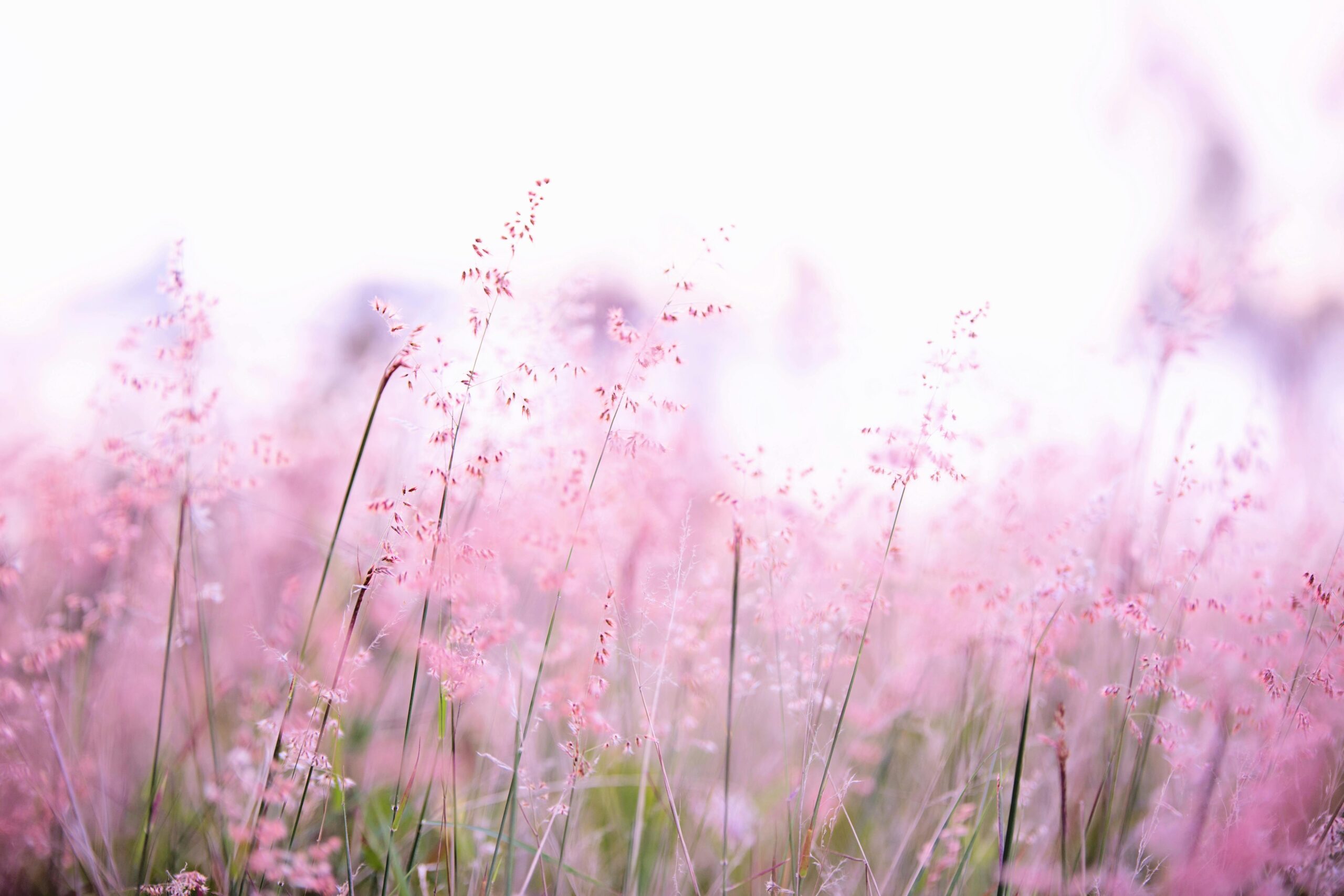
Flowers are more than just pretty things we put in vases. They’re living works of art, intricate pieces of nature’s design, and silent messengers that have carried meaning for centuries. From wild blooms in untouched meadows to carefully arranged bouquets in city flower shops, flowers have the power to brighten spaces, lift moods, and even tell stories without a single word.
Beauty in Every Petal
The first thing most people notice about flowers is their beauty — the way petals catch the light, the symmetry of their shapes, and the richness of their colors. But beauty in flowers isn’t accidental. Every shade, texture, and curve has a purpose, often to attract pollinators like bees, butterflies, and birds.
Some flowers open wide during the day to catch the attention of daytime pollinators, while others release their fragrance at night to lure moths or bats. What we see as beauty is, in nature, also strategy.
A Universal Symbol
Across cultures and time periods, flowers have carried deep symbolic meaning:
- Roses for love and romance.
- Lilies for purity and renewal.
- Lotus flowers for spiritual awakening.
- Chrysanthemums for longevity and loyalty.
In the Victorian era, people even used flowers to send coded messages, a practice known as floriography. The type, color, and arrangement of flowers could express emotions or intentions without speaking them aloud.
Flowers and the Seasons
Part of a flower’s charm is its connection to the seasons.
- Spring brings the first bursts of color after months of cold — tulips, daffodils, cherry blossoms.
- Summer explodes with vibrant blooms like sunflowers, daisies, and hibiscus.
- Autumn offers rich, warm tones in mums and marigolds.
- Winter, in some regions, surprises with camellias or poinsettias.
Each season’s flowers remind us of the passage of time and the cycles of life.
The Science Behind the Bloom
Flowers are the reproductive structures of plants, designed to produce seeds for the next generation. Inside each bloom are delicate parts like stamens and pistils, which work together — often with the help of pollinators — to create new life.
Pollination is a fascinating partnership between plants and animals. Bees, for example, collect nectar for food while unintentionally carrying pollen from one flower to another, helping plants reproduce. Without this process, many of the foods we eat wouldn’t exist.
The Healing Power of Flowers
It’s not just their beauty — flowers have been used for medicinal purposes for thousands of years.
- Chamomile for calming the nerves.
- Lavender for relaxation and better sleep.
- Calendula for soothing skin irritation.
Even just looking at flowers can improve mental well-being. Studies have shown that having fresh flowers in your home or workspace can reduce stress and boost mood.
Flowers in Culture and Celebration
From weddings to funerals, from birthdays to national holidays, flowers play a central role in life’s milestones. They express joy, sympathy, celebration, and remembrance.
In some cultures, flowers are offerings to gods or ancestors. In others, they’re worn as adornments during festivals. Their presence in ceremonies connects us to traditions that span generations.
Growing Your Own
One of the most rewarding ways to enjoy flowers is to grow them yourself. Whether it’s a small balcony garden or a full backyard plot, planting flowers lets you watch life unfold from seed to bloom.
Some tips for beginners:
- Choose flowers suited to your climate and sunlight.
- Water consistently, but avoid overwatering.
- Learn about your soil type — some flowers thrive in sandy soil, others in rich, loamy earth.
Even a single pot with a bright bloom can transform a space.
Flowers as Inspiration
Artists, poets, and designers have drawn inspiration from flowers for centuries. From Monet’s water lilies to Georgia O’Keeffe’s magnified petals, flowers have fueled creativity in countless forms.
Their colors influence fashion trends, their shapes inspire architecture, and their symbolism finds its way into literature and music.
Appreciating the Moment
Flowers remind us of life’s fleeting beauty. A bloom may last days or weeks, but not forever — and that impermanence is part of its charm. It encourages us to appreciate beauty while it’s here, to be present in the moment.
Whether it’s a wildflower growing along a hiking trail, a bouquet from a loved one, or the first blossom in your garden each spring, each flower carries a quiet reminder: life is beautiful, and beauty is worth noticing.
Final Thought
Flowers are more than decoration. They’re nature’s storytellers, healers, and timekeepers. They connect us to the earth, to each other, and to traditions that stretch back through human history.
So the next time you see a flower, take a moment to look closely. Notice the details. Smell the fragrance. Let it remind you that beauty exists in small, simple things — and that sometimes, those small things speak the loudest.