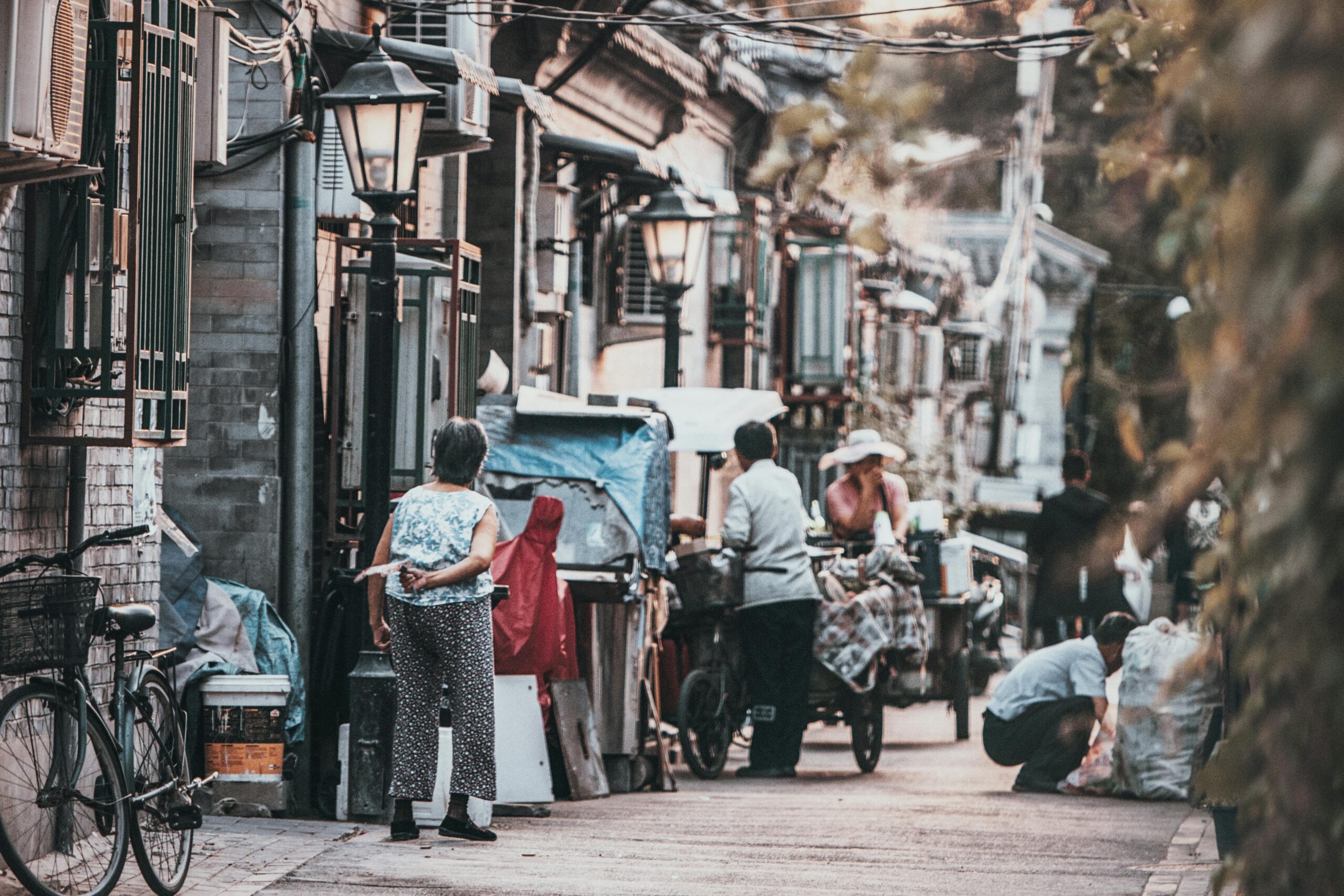
Every city has its landmarks, its architecture, and its famous restaurants. But if you really want to feel the pulse of a place, go to its street market.
Street markets are more than just places to buy goods. They’re living, breathing portraits of a city’s culture — a place where flavors, colors, sounds, and stories collide. Whether it’s a bustling market in Bangkok, a weekend craft fair in Paris, or a small-town farmers’ market in America, the energy is unmistakable.
A Feast for the Senses
Walking through a street market is like stepping into a moving painting.
You hear the chatter of vendors bargaining, the sizzle of food on grills, the distant strum of a street musician’s guitar. The air is thick with scents — spices, freshly baked bread, ripe fruit, roasted coffee.
The stalls overflow with color:
- Crimson chili peppers piled high.
- Golden mangoes glistening in the sun.
- Handmade textiles patterned in deep blues and reds.
Every step offers something new to see, smell, taste, or hear.
Food That Tells a Story
One of the main draws of any street market is the food. Here, recipes aren’t just written in cookbooks — they’re passed down through generations.
In Southeast Asia, skewers of grilled meat drip with sweet-salty marinades. In Mexico, fresh tortillas cradle sizzling fillings while the scent of lime and cilantro floats through the air. In Europe, you might find cheeses aged for months, served alongside crusty bread baked that very morning.
Street market food is honest food. It doesn’t hide behind expensive plating or marketing. It’s made to be eaten right there, surrounded by the life of the market.
The People Behind the Stalls
Every stall has a person, and every person has a story. Some vendors have been selling in the same market for decades, building a loyal customer base. Others are newcomers, bringing new flavors or crafts to the community.
Talking to vendors is part of the experience. Ask about the ingredients, the origins of a craft, or how a recipe came to be. You’ll often get more than an answer — you’ll get a glimpse into someone’s life.
Markets as Community Hubs
Street markets aren’t just places to shop — they’re meeting points. Neighbors run into each other while buying vegetables. Tourists strike up conversations with locals over a shared meal. Musicians, artists, and performers turn the market into a stage.
In many places, markets are the social heart of the community. They’re where news is exchanged, friendships are built, and traditions are kept alive.
More Than Just Food
While many street markets focus on produce and prepared meals, others are treasure troves of crafts, clothing, antiques, and artwork. You might find:
- Handwoven baskets made from local materials.
- Jewelry crafted from recycled metals.
- Vintage records, rare books, or handmade pottery.
Shopping at these stalls often means supporting small businesses and independent artisans, keeping local economies vibrant.
The Art of Bargaining
In some markets, bargaining is expected — a playful exchange that’s as much about connection as it is about price. Learning how to bargain respectfully can turn a simple purchase into a memorable interaction.
The key is to smile, be polite, and remember that for many vendors, this is their livelihood. Bargain in good spirit, and you’ll often walk away with more than just your purchase — you’ll have a story to tell.
Street Markets Around the World
- Chatuchak Market, Bangkok: One of the largest in the world, selling everything from plants to clothing to pets.
- La Boqueria, Barcelona: A food lover’s paradise, offering fresh seafood, meats, cheeses, and tapas.
- Marrakech Souks, Morocco: A maze of stalls with spices, carpets, lanterns, and handcrafted goods.
- Union Square Greenmarket, New York City: Fresh produce and artisanal goods in the heart of Manhattan.
Each market reflects its location’s unique culture, but they all share the same underlying spirit of exchange and community.
How to Enjoy a Street Market
- Go early for the freshest goods and fewer crowds.
- Bring cash, as some vendors may not accept cards.
- Be curious — try something you’ve never eaten before.
- Talk to people — the stories are as valuable as the goods.
- Take your time — markets are best experienced slowly.
Why Street Markets Matter
In a world of online shopping and chain stores, street markets remind us that commerce can be personal, tangible, and joyful. They keep traditions alive while welcoming innovation. They connect people not just through transactions, but through shared experiences.
When you wander through a market, you’re not just buying food or goods. You’re participating in a living tradition that has existed for centuries — one that will continue as long as people gather to share what they’ve grown, made, or discovered.
Final Thought
A street market is more than a place to shop. It’s a place to taste the heart of a city, to hear its stories, to feel its rhythm.
So next time you travel — or even if you’re exploring your own hometown — find a market. Walk slowly. Look closely. And let the colors, smells, and sounds remind you that the soul of a place is often found not in its monuments, but in the life that happens between its stalls.