Thai food isn’t just something you eat. It’s something you experience — a combination of flavor, color, aroma, and texture that tells a story without saying a word. Whether it’s a spicy green curry on a humid Bangkok afternoon or a steaming bowl of boat noodles in a floating market, Thai cuisine captures the essence of the country’s culture in every bite.
In 2025, Thai food is more than a beloved national cuisine — it’s a global culinary ambassador, drawing people in from every corner of the world. But to understand why it speaks so powerfully, you have to look beyond the plate.
The Heart of Thai Cuisine: Balance in Every Bite
If there’s one principle that defines Thai cooking, it’s balance. Every dish aims to harmonize the five core flavors:
- Sweet from palm sugar or coconut milk
- Sour from lime juice, tamarind, or vinegar
- Salty from fish sauce or soy sauce
- Spicy from fresh or dried chilies
- Bitter from herbs and greens
A single spoonful of Thai soup can take you on a journey — first a tang of lime, then the heat of chili, the saltiness of fish sauce, and finally the cooling freshness of herbs. This layering of flavors is why Thai food can be bold yet never overwhelming.
More Than a Meal: A Cultural Ritual
In Thailand, food is rarely eaten alone. Meals are a shared experience, served family-style with multiple dishes on the table at once. There’s an unspoken etiquette: balance flavors across the spread, mix textures, and ensure everyone can enjoy a bit of everything.
It’s not unusual for a weekday lunch to feel like a small celebration, with friends or colleagues gathering around plates of stir-fried basil chicken, bowls of tom yum soup, and fresh papaya salad. Eating together isn’t just about the food — it’s about community.
Regional Flavors: Four Cuisines, One Nation
Thailand’s geography shapes its cuisine, and each region has its own specialties.
Central Thailand
Home to Bangkok, this region blends influences from all over the country. Dishes like Pad Thai and green curry are rich, aromatic, and often feature coconut milk.
Northern Thailand
Cooler climates bring heartier dishes. Khao Soi, a curry noodle soup topped with crispy noodles, is a local favorite. Herbs and mild spices dominate over fiery heat.
Northeastern Thailand (Isaan)
Bold and rustic, Isaan cuisine uses lots of chili, fermented fish sauce, and sticky rice. Som Tum (papaya salad) and larb (spicy minced meat salad) are staples here.
Southern Thailand
With its proximity to the ocean, Southern Thai food is heavy on seafood and coconut milk but also some of the spiciest dishes in the country. Massaman curry, with its Persian influences, also comes from this region.
Street Food: Thailand’s Open-Air Kitchen
For many visitors, the real magic of Thai cuisine is found in the streets. Market stalls and night vendors turn sidewalks into aromatic, sizzling kitchens. You can walk down a single block and find:
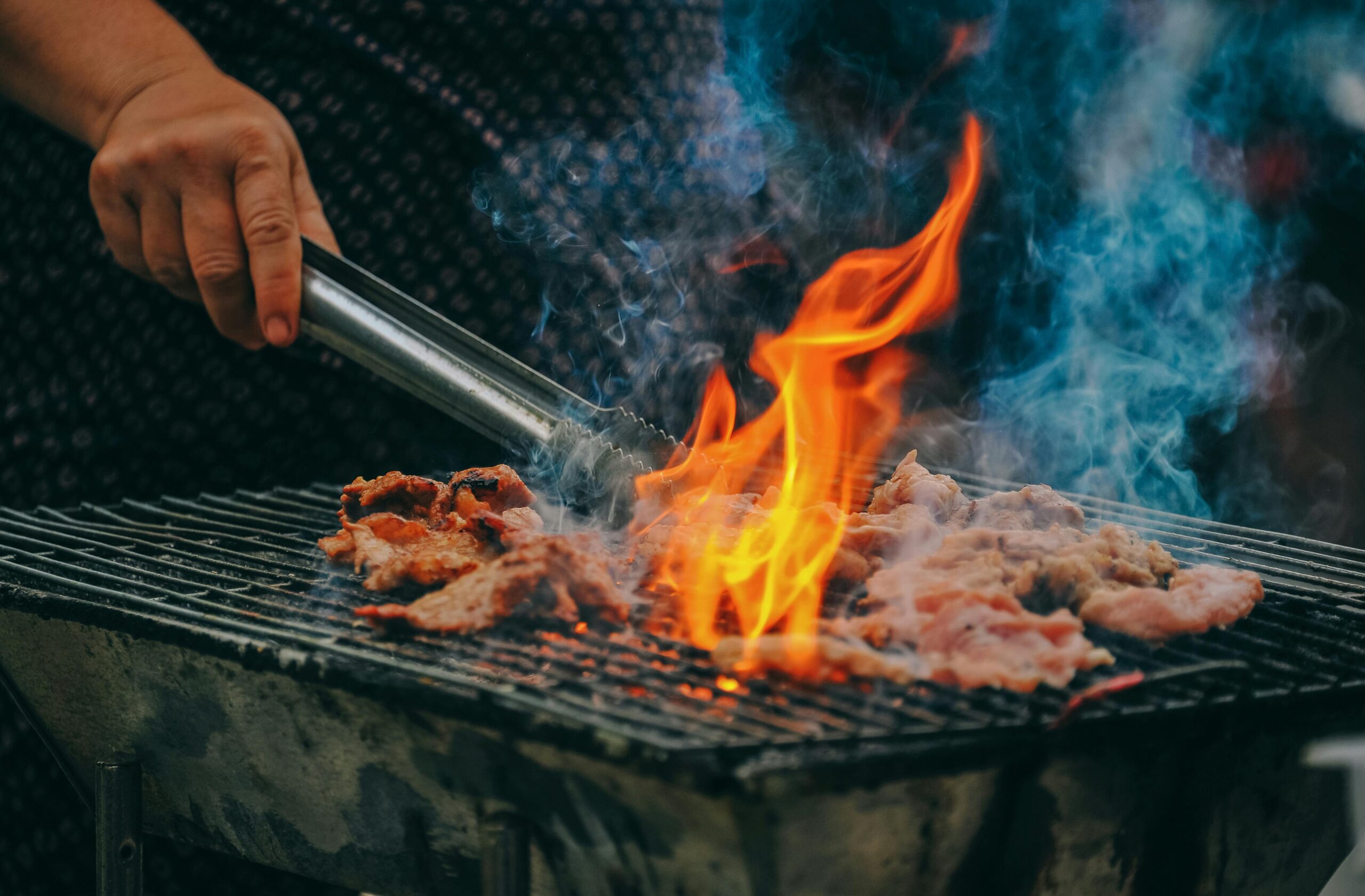
- Skewers of grilled pork (moo ping) glazed in sweet marinade
- Bowls of fragrant noodle soup served in seconds
- Mango sticky rice with coconut cream drizzled on top
Street food isn’t just cheap and fast; it’s a culinary heritage passed down through generations. Every vendor has their own recipe, refined over years, and regular customers who swear theirs is the best in town.
Ingredients That Speak for Themselves
The soul of Thai food lies in its fresh ingredients. From morning markets to floating stalls, you’ll see vibrant green basil, bright red chilies, lemongrass stalks, galangal roots, and kaffir lime leaves. These aren’t just garnish — they’re essential building blocks of flavor.
Many Thai dishes also incorporate ingredients with symbolic meaning. Basil represents good luck, coconut signifies generosity, and rice is considered a sacred gift of the earth.
Thai Food Abroad: Adapting Without Losing Its Voice
As Thai food has spread globally, it has adapted to suit local palates. In some places, dishes are made milder to accommodate those unaccustomed to high spice levels. In others, rare ingredients are substituted with local alternatives.
Yet even with these changes, the essence of Thai cuisine — the harmony of flavors, the focus on freshness — still shines through. A well-made Thai curry in London or Los Angeles can still transport you straight to a Bangkok night market.
The Global Rise of Thai Cuisine in 2025
The past decade has seen a surge in Thai restaurants worldwide, from fine dining establishments with Michelin stars to casual street-food-style pop-ups. Part of this growth is due to Thailand’s own culinary diplomacy — a government program designed to promote Thai food abroad.
Thai chefs are also gaining recognition for innovation, blending traditional techniques with modern gastronomy. Think molecular som tum or curry foam served alongside traditional grilled fish.
Health and Nutrition: More Than Just Taste
Thai food isn’t only delicious — it can also be remarkably healthy when made traditionally. Many dishes are naturally gluten-free, dairy-free, and rich in vegetables, lean proteins, and herbs. Spices like turmeric, ginger, and chili offer anti-inflammatory and antioxidant benefits.
Of course, deep-fried snacks and rich coconut curries are also part of the cuisine — balance applies here, too.
Cooking Thai Food at Home: An Invitation to Experiment
You don’t need to be a master chef to cook Thai food. Many recipes are surprisingly simple once you have the right ingredients. Start with classics like Pad Kra Pao (stir-fried basil with meat) or Tom Kha Gai (chicken coconut soup).
Key tips:
- Use fresh herbs whenever possible.
- Balance flavors — taste and adjust before serving.
- Don’t fear the chili, but respect it.
Cooking Thai food at home is also a gateway to understanding its culture — each dish tells a story, and each ingredient has a purpose.
Why Thai Food Speaks Louder Than Words
At its core, Thai food is an expression of joy, hospitality, and connection. The way it balances flavors mirrors the way Thai culture values harmony in relationships and life. The act of sharing a table mirrors the importance of community. The vibrant colors and bold aromas mirror the country’s lively spirit.
When you take that first bite — whether it’s fiery tom yum, creamy massaman, or simple jasmine rice with stir-fried vegetables — you’re tasting more than food. You’re tasting history, tradition, and a little bit of the Thai way of life.
Final Thought
The next time you enjoy Thai food, slow down. Notice the blend of flavors, the textures, the colors. Think about the hands that prepared it, the traditions that shaped it, and the culture it represents.
Because Thai food doesn’t just satisfy hunger. It tells a story, invites conversation, and connects people across borders. It’s a flavor that truly speaks louder than words.